
Ice Bath Therapy, also known as cold water immersion, has gained significant attention among athletes, fitness enthusiasts, wellness practitioners, and individuals seeking natural methods to improve recovery and resilience. Once reserved primarily for professional sports teams, cold exposure has now become a popular wellness practice embraced by people of all fitness levels.
The concept is simple. After physical activity or as part of a wellness routine, the body is immersed in cold water for a short duration. Although the experience can initially feel uncomfortable, many practitioners report feeling refreshed, energized, and mentally alert after completing an ice bath.
Research suggests that controlled cold exposure may support muscle recovery, reduce post-exercise soreness, improve circulation, and help the body adapt to physical stress. Beyond physical recovery, many individuals also practise Ice Bath Therapy to develop mental resilience, improve focus, and cultivate discipline.
However, Ice Bath Therapy is not suitable for everyone. Understanding the correct techniques, safety precautions, and potential risks is essential before incorporating it into your wellness routine.
In this guide, you'll learn how Ice Bath Therapy works, its potential benefits, associated risks, and practical steps for beginners to start safely.
Ice Bath Therapy should always be approached gradually. Beginners should start with shorter durations and milder temperatures rather than immediately attempting prolonged cold exposure.
What Is Ice Bath Therapy?
Ice Bath Therapy is the practice of immersing the body in cold water, typically ranging between 10°C and 15°C, for a limited period under controlled conditions.
The goal is not simply to tolerate cold temperatures but to allow the body to experience a brief and carefully managed period of cold exposure that stimulates various physiological responses.
During an ice bath, the body reacts by narrowing blood vessels, slowing certain metabolic processes, and activating mechanisms that help regulate body temperature. Once the session ends and the body begins warming naturally, circulation increases again as blood flow returns to the muscles and tissues.
Many athletes include Ice Bath Therapy as part of their post-workout recovery routine, while others practise it to improve mental resilience and overall wellbeing.
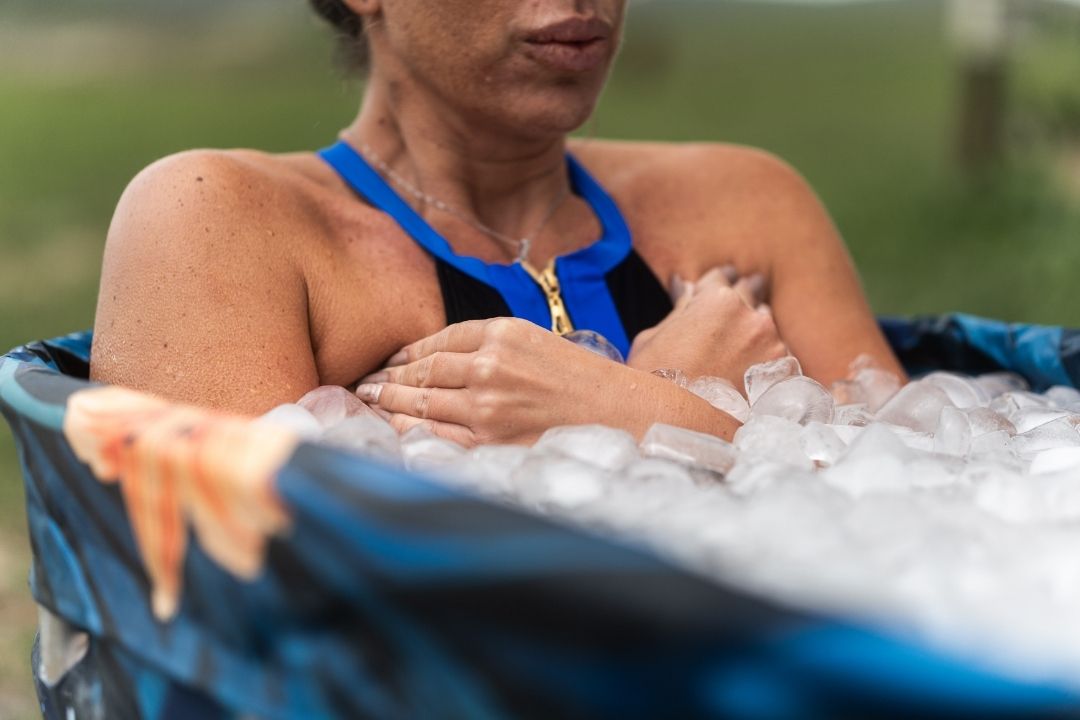
How Does Ice Bath Therapy Work?
When the body is exposed to cold water, it immediately activates several protective responses designed to maintain a stable internal temperature.
These responses include:
- Narrowing of blood vessels near the skin.
- Increased alertness.
- Faster breathing during initial exposure.
- Activation of the nervous system.
- Gradual adaptation to the cold.
Once the session ends, the body begins warming naturally. Blood circulation increases again, delivering oxygen and nutrients throughout the body while supporting normal recovery processes.
Although researchers continue studying cold exposure, many practitioners believe that these physiological responses contribute to the benefits commonly associated with Ice Bath Therapy.
Cold Exposure Is Different from Ice Swimming
Ice Bath Therapy is performed under controlled conditions with carefully monitored temperature and duration. It is very different from swimming in cold lakes or rivers, where environmental conditions are unpredictable and significantly more hazardous.
Benefits of Ice Bath Therapy
Ice Bath Therapy offers a combination of physical and psychological benefits when practised responsibly and consistently.
Supports Muscle Recovery
One of the primary reasons athletes use Ice Bath Therapy is to support recovery after intense physical activity.
Following demanding exercise, muscles experience temporary stress and fatigue. Cold water immersion is commonly used as part of a structured recovery routine to help individuals feel refreshed before their next training session.
May Reduce Muscle Soreness
Many people experience delayed onset muscle soreness (DOMS) after strenuous exercise.
Although research continues to evolve, Ice Bath Therapy is widely used to help reduce the perception of post-exercise soreness, particularly after high-intensity training sessions.
Improves Mental Resilience
Stepping into cold water requires focus, controlled breathing, and the ability to remain calm under physical discomfort.
Over time, many practitioners feel that regular cold exposure strengthens their ability to remain composed during stressful situations both inside and outside the ice bath.
Increases Alertness
Cold exposure immediately stimulates the nervous system.
Many people report feeling:
- More awake.
- Mentally refreshed.
- Better focused.
- More energetic after completing a session.
Encourages Mindful Breathing
One of the first reactions to cold water is rapid breathing.
Learning to consciously slow the breath helps the body relax and adapt to the cold more comfortably.
As a result, Ice Bath Therapy often becomes both a breathing practice and a mental training exercise.
Key Benefits
- Supports post-exercise recovery.
- May reduce muscle soreness.
- Improves mental resilience.
- Increases alertness and focus.
- Encourages controlled breathing.
- Builds confidence through gradual adaptation.
- Complements an active lifestyle.
Risks and Safety Precautions
Although Ice Bath Therapy offers several potential benefits, it is not without risks. Cold water immersion places stress on the body, and practising without proper guidance may lead to unnecessary health complications.
For this reason, beginners should approach Ice Bath Therapy gradually while understanding both its benefits and limitations.
Cold Shock Response
The moment you enter cold water, your body naturally reacts with rapid breathing and an increased heart rate. This response is known as the cold shock response.
Learning controlled breathing before and during an ice bath helps reduce panic and allows the body to adapt more comfortably.
Hypothermia
Remaining in extremely cold water for excessive periods can cause the body's core temperature to drop to unsafe levels.
This is why Ice Bath Therapy should always be performed for a limited duration under controlled conditions.
Existing Medical Conditions
Individuals with certain medical conditions should avoid Ice Bath Therapy unless approved by a qualified healthcare professional.
These include:
- Heart disease
- Uncontrolled high blood pressure
- Serious respiratory disorders
- Poor circulation
- Raynaud's disease
- Recent surgery
- Severe neurological disorders
Ice Bath Therapy is not suitable for everyone. If you have a medical condition, are pregnant, or are recovering from a serious illness or injury, consult your healthcare provider before beginning cold exposure.
Who Should Avoid Ice Bath Therapy?
While many healthy individuals can safely practise Ice Bath Therapy with proper guidance, it may not be appropriate for everyone.
People who should avoid or seek professional medical advice before participating include:
- Individuals with cardiovascular disease.
- People with uncontrolled hypertension.
- Those experiencing fever or active infections.
- Individuals with severe respiratory conditions.
- Pregnant women unless medically advised.
- People recovering from recent surgery.
- Anyone experiencing severe cold sensitivity.
If you are unsure whether Ice Bath Therapy is suitable for you, always seek guidance from a qualified healthcare professional.
How to Get Started with Ice Bath Therapy
Beginning gradually is the safest and most effective way to experience the benefits of cold exposure.
There is no need to immediately use extremely cold temperatures or remain in the water for extended periods.
Start with Mild Cold Exposure
Instead of jumping directly into an ice-filled tub, begin with cool showers or mildly cold water.
This allows your body to gradually adapt to cold exposure while building confidence.
Focus on Breathing
Breathing is one of the most important aspects of Ice Bath Therapy.
Before entering the water:
- Take slow, controlled breaths.
- Relax your shoulders.
- Avoid holding your breath.
- Maintain a calm and steady rhythm.
Controlled breathing helps reduce anxiety and improves your overall experience.
Keep Sessions Short
For beginners, short sessions are more than sufficient.
As your body gradually adapts, exposure time may be increased under appropriate guidance.
The goal is consistency rather than endurance.
Warm Up Naturally Afterwards
Once your session is complete:
- Dry yourself thoroughly.
- Wear warm clothing.
- Allow your body to warm gradually.
- Drink warm fluids if appropriate.
Avoid using extremely hot water immediately after an ice bath, as sudden temperature changes may place unnecessary stress on the body.
Beginner Tip
Your first few Ice Bath sessions should always prioritise learning proper breathing and staying relaxed rather than remaining in the water for the longest possible time.
Common Mistakes Beginners Should Avoid
Many people become interested in Ice Bath Therapy after watching experienced athletes or social media influencers.
However, copying advanced practices without preparation is one of the most common mistakes.
Avoid these beginner errors:
- Staying in the water for too long.
- Using excessively cold temperatures immediately.
- Ignoring breathing techniques.
- Practising alone without supervision.
- Entering an ice bath after consuming alcohol.
- Competing with others.
- Ignoring warning signs from your body.
Pros
- Start gradually.
- Learn controlled breathing.
- Stay relaxed throughout the session.
- Follow proper safety guidelines.
- Practise consistently.
- Learn from qualified instructors.
Cons
- Rushing into extreme cold exposure.
- Holding your breath.
- Staying in the water too long.
- Ignoring medical conditions.
- Practising without supervision.
- Treating Ice Bath Therapy as a competition.
Frequently Asked Questions
What is the ideal temperature for an Ice Bath?
Most Ice Bath sessions are performed between 10°C and 15°C. Beginners should always start with milder temperatures and gradually adapt under proper guidance rather than immediately attempting extremely cold water.
How long should I stay in an Ice Bath?
Beginners should keep sessions short and gradually increase exposure only as they become comfortable. Longer sessions do not necessarily provide greater benefits and may increase health risks if performed incorrectly.
Can beginners try Ice Bath Therapy?
Yes. Healthy beginners can practise Ice Bath Therapy safely by starting gradually, learning proper breathing techniques, and following guidance from experienced instructors.
Is Ice Bath Therapy safe after every workout?
It depends on your training goals, exercise intensity, and overall health. Athletes often include Ice Bath Therapy as part of their recovery routine, but the best approach varies from person to person.
Can Ice Bath Therapy improve mental resilience?
Many practitioners report feeling more mentally resilient after regular cold exposure because it encourages controlled breathing, calmness, and the ability to remain composed during temporary discomfort.
Do I need professional guidance for my first Ice Bath?
Professional guidance is strongly recommended, especially for beginners. Learning proper breathing techniques, safety precautions, and correct cold exposure practices helps create a safer and more enjoyable experience.
Final Thoughts
Ice Bath Therapy has become an increasingly popular wellness practice because it combines physical recovery with mental conditioning. When practised responsibly, controlled cold exposure can support post-exercise recovery, improve mental resilience, enhance focus, and encourage disciplined breathing.
However, Ice Bath Therapy is not about enduring extreme discomfort or competing with others. The greatest benefits come from gradual progression, proper technique, and consistency.
Beginners should always prioritise safety by starting with shorter sessions, practising controlled breathing, and listening carefully to their body's responses. With the right guidance, Ice Bath Therapy can become a valuable addition to a balanced wellness routine.
Whether you're an athlete looking to support recovery, a wellness enthusiast exploring new practices, or someone interested in developing greater mental resilience, Ice Bath Therapy offers a unique opportunity to challenge yourself in a safe and structured way.
Successful Ice Bath Therapy is built on preparation, patience, and consistency. Focus on proper technique rather than extreme cold, and allow your body to adapt gradually over time.
Experience Guided Ice Bath Training
Discover safe and structured Ice Bath Therapy with Yoganta's expert-led workshops designed to help you build confidence, improve recovery, and practise cold exposure responsibly.
Explore Ice Bath Training