
Fitness trends continue to evolve, but many of the most effective training methods have existed for centuries. One such example is the Mudgar, a traditional Indian strength training tool that has recently regained popularity among athletes, martial artists, yoga practitioners, fitness enthusiasts, and movement coaches around the world.
At first glance, a Mudgar may appear to be a simple wooden club. However, its unique shape and swinging movements create a highly effective full-body workout that develops strength, mobility, coordination, endurance, grip strength, and mental focus simultaneously.
For generations, Indian wrestlers trained with Mudgars inside traditional Akharas, where physical strength, discipline, and functional movement were considered equally important. Today, modern sports science has begun recognising many of the benefits that traditional practitioners understood centuries ago.
Whether your goal is improving shoulder mobility, building rotational strength, enhancing athletic performance, or simply exploring India's rich fitness heritage, Mudgar training offers a unique and rewarding experience.
In this guide, you'll learn what a Mudgar is, its fascinating history, its health benefits, and how this ancient training tool is finding a place in modern fitness.
Mudgar training is much more than swinging a wooden club. Every movement develops strength, coordination, balance, mobility, and body awareness while honouring one of India's oldest physical training traditions.
What Is a Mudgar?
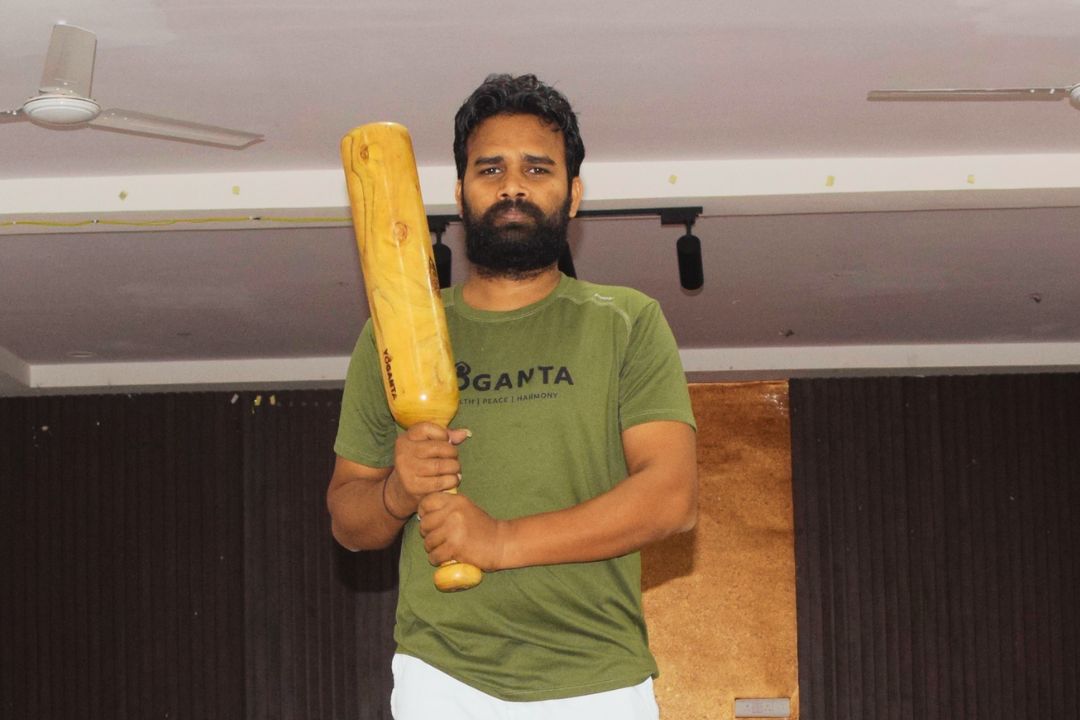
A Mudgar is a traditional Indian wooden club used for strength, mobility, and functional fitness training.
Unlike conventional gym equipment that often isolates individual muscles, a Mudgar encourages integrated movement patterns involving the shoulders, arms, back, core, hips, and grip.
The tool features:
- A weighted wooden head
- A long ergonomic handle
- Balanced weight distribution
- Natural wooden construction
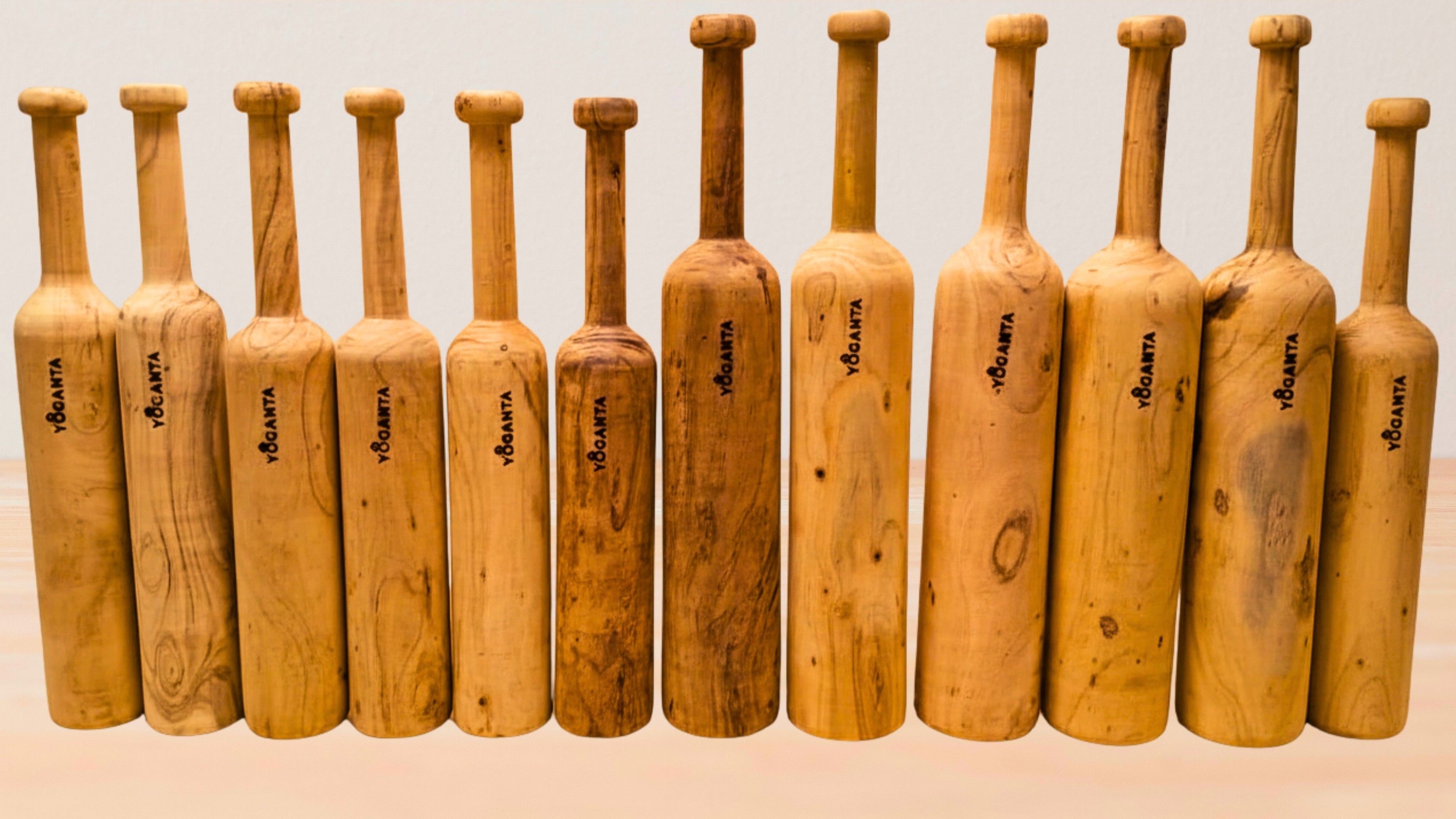
Mudgars are available in different weights, allowing beginners and experienced practitioners to progress safely as their strength and technique improve.
The swinging patterns performed with a Mudgar challenge multiple muscle groups simultaneously while encouraging fluid, coordinated movement.
The History of Mudgar Training
Mudgar training has deep roots in India's traditional physical culture.
For centuries, wrestlers trained in Akharas, where physical conditioning was viewed as an essential part of developing strength, endurance, discipline, and character.
Mudgars became one of the primary training tools because they developed practical strength required for wrestling and everyday physical performance.
Unlike modern machines, Mudgars required practitioners to control movement through multiple planes of motion, improving stability and coordination alongside muscular strength.
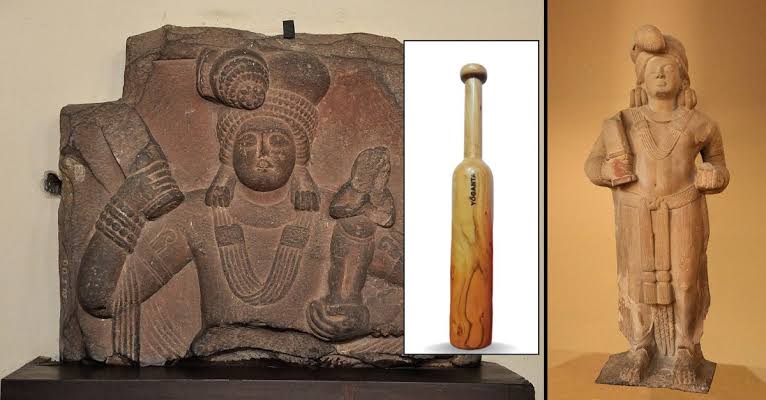
Historical illustrations, sculptures, and written records show Indian wrestlers using heavy wooden clubs long before the invention of modern resistance training equipment.
Over time, similar club-based training methods spread to different parts of the world and eventually influenced the development of club swinging and other functional fitness systems.
Today, traditional Mudgar training continues to preserve an important part of India's fitness heritage while attracting new generations interested in functional movement and holistic strength development.
India's Traditional Strength Tool
The Mudgar represents one of India's oldest surviving fitness traditions. Long before modern gyms existed, wrestlers and warriors relied on Mudgar training to develop strength, endurance, mobility, and discipline.
Why Mudgar Training Is Becoming Popular Again
In recent years, functional fitness has shifted towards movements that improve real-world strength rather than simply increasing muscle size.
Mudgar training fits perfectly within this philosophy.
Athletes, physiotherapists, movement specialists, yoga practitioners, and strength coaches appreciate its ability to develop mobility and stability alongside strength.
Growing interest has been driven by several factors:
- Functional strength training
- Shoulder health
- Joint mobility
- Traditional fitness methods
- Grip strength development
- Athletic performance
- Injury prevention
- Natural movement training
Unlike many fitness trends, Mudgar training has been refined through centuries of practical use.
Key Benefits
- Builds functional strength.
- Improves shoulder mobility.
- Develops grip strength.
- Enhances coordination.
- Promotes better posture.
- Supports joint stability.
- Preserves India's traditional fitness heritage.
Benefits of Mudgar Training
Mudgar exercises engage the entire body through controlled swinging movements that require coordination, balance, strength, and concentration.
Develops Functional Strength
Rather than isolating individual muscles, Mudgar training encourages integrated movement patterns that resemble everyday physical activities.
This develops practical strength that supports sports performance, daily movement, and overall fitness.
Improves Shoulder Mobility
The circular swinging patterns encourage healthy movement throughout the shoulder joint while strengthening the surrounding muscles.
Improved shoulder mobility may contribute to:
- Better posture
- Increased flexibility
- Improved overhead movement
- Enhanced athletic performance
Strengthens Grip and Forearms
Holding and controlling a weighted Mudgar throughout dynamic movements places continuous demand on the hands, wrists, and forearms.
Over time, this contributes to stronger grip strength, which is valuable in many sports and daily activities.
Enhances Core Stability
Almost every Mudgar exercise requires the core muscles to stabilise the body while controlling momentum.
This helps improve:
- Balance
- Coordination
- Rotational strength
- Body awareness
- Movement efficiency
Improves Coordination
Mudgar exercises require the upper and lower body to work together.
As practitioners become more comfortable with the swinging patterns, movement becomes smoother, more controlled, and more efficient.
Mudgar training is not about lifting the heaviest weight. Proper technique, smooth movement, and consistent practice produce the greatest long-term benefits.
Modern Uses of Mudgar
Although the Mudgar originated in traditional Indian wrestling, it has evolved into a versatile training tool used across various fitness and wellness disciplines. Today, it is incorporated into functional fitness, rehabilitation, yoga, martial arts, and sports conditioning programs.
Modern practitioners value the Mudgar because it develops strength through natural movement patterns rather than isolated exercises.
Common applications include:
- Functional strength training
- Athletic conditioning
- Shoulder mobility exercises
- Yoga complement training
- Martial arts conditioning
- Rehabilitation programs under professional guidance
- Personal fitness routines
- Traditional fitness education
Its versatility makes the Mudgar suitable for both recreational fitness enthusiasts and serious athletes seeking movement-based strength.
Who Should Practice Mudgar Training?
Mudgar training is suitable for a wide variety of individuals when appropriate weight selection and proper technique are followed.
It is especially beneficial for:
- Fitness enthusiasts
- Yoga practitioners
- Athletes
- Wrestlers
- Martial artists
- Personal trainers
- Functional fitness coaches
- Individuals seeking better mobility
- People looking for alternative strength training methods
Beginners should always start with lighter Mudgars to develop proper movement patterns before progressing to heavier weights.
Choose the Right Weight
Starting with a lighter Mudgar allows you to learn correct technique safely. As your strength, coordination, and confidence improve, you can gradually increase the training load.
How to Get Started with Mudgar Training
Learning proper technique is far more important than lifting heavy weights.
Follow these simple steps when beginning your Mudgar journey.
Choose the Right Mudgar
Select a weight that allows you to perform smooth, controlled movements without compromising posture.
For most beginners, a lighter Mudgar is the safest choice while learning the fundamental exercises.
Learn the Basic Swing Patterns
Before attempting advanced movements, master the foundational techniques such as:
- Front Swing
- Back Swing
- Circular Swing
- Shoulder Rotation
- Controlled Halos
These exercises establish coordination, timing, and movement efficiency.
Focus on Technique
Maintain:
- Neutral posture
- Controlled breathing
- Relaxed shoulders
- Stable core
- Smooth movement
Avoid using excessive momentum or rushing through repetitions.
Progress Gradually
As your strength and confidence improve, gradually increase:
- Training duration
- Exercise complexity
- Number of repetitions
- Mudgar weight
Consistent progression produces better long-term results than attempting advanced movements too early.
Key Benefits
- Improves movement quality.
- Develops better coordination.
- Builds confidence safely.
- Reduces injury risk.
- Encourages long-term progress.
Safety Tips for Mudgar Training
Like any form of resistance training, Mudgar exercises should be practised responsibly.
Keep these safety principles in mind:
- Warm up before training.
- Use adequate practice space.
- Maintain proper grip.
- Focus on controlled movement.
- Wear comfortable clothing.
- Stop immediately if sharp pain occurs.
- Progress gradually.
- Learn from qualified instructors.
Avoid using a Mudgar that is too heavy for your current skill level. Proper technique should always take priority over heavier weights.
Common Mistakes Beginners Make
Most beginners improve quickly by avoiding a few common mistakes.
Choosing Excessive Weight
Many new practitioners assume heavier Mudgars produce faster results.
In reality, excessive weight often compromises technique and increases injury risk.
Swinging Too Fast
Mudgar training emphasizes control rather than speed.
Slow, smooth, and deliberate movements produce better results while improving coordination.
Ignoring Shoulder Mobility
Limited shoulder mobility can affect technique.
Incorporating regular mobility exercises helps improve movement quality and comfort.
Skipping Warm-up
Preparing the shoulders, wrists, elbows, and spine before training reduces stiffness and improves overall performance.
Pros
- Learn from qualified instructors.
- Master basic techniques first.
- Progress gradually.
- Warm up before every session.
- Prioritize movement quality.
- Practice consistently.
Cons
- Using excessive weight.
- Swinging too quickly.
- Ignoring proper technique.
- Skipping warm-up.
- Training without adequate space.
- Comparing yourself with experienced practitioners.
Frequently Asked Questions
What is a Mudgar?
A Mudgar is a traditional Indian wooden strength training tool used to develop functional strength, shoulder mobility, grip strength, coordination, and endurance through controlled swinging movements.
Is Mudgar training suitable for beginners?
Yes. Beginners can safely practise Mudgar training by starting with lighter weights, learning proper technique, and progressing gradually under qualified instruction.
What muscles does Mudgar training work?
Mudgar exercises engage multiple muscle groups, including the shoulders, arms, forearms, back, chest, core, hips, and legs, making it an effective full-body workout.
Can Mudgar training improve shoulder mobility?
Yes. One of the primary benefits of Mudgar training is improved shoulder mobility and stability through controlled circular movement patterns.
How often should I practise Mudgar training?
Most beginners benefit from practising two to three times per week, allowing adequate recovery while developing strength, coordination, and technique.
Is Mudgar different from Indian Clubs?
Yes. Although both are traditional training tools, Mudgars are generally heavier and specifically designed for strength and functional conditioning, whereas Indian Clubs are typically lighter and emphasize coordination and shoulder mobility.
Final Thoughts
The Mudgar is far more than a traditional wooden training tool. It represents centuries of Indian physical culture, combining strength, mobility, coordination, endurance, and discipline into a single, highly effective training system.
As modern fitness increasingly embraces functional movement, the Mudgar continues to demonstrate its relevance by helping practitioners build real-world strength while preserving one of India's oldest fitness traditions.
Whether you are an athlete, yoga practitioner, fitness enthusiast, or someone looking to diversify your training routine, Mudgar exercises provide a rewarding and enjoyable way to improve overall physical performance.
The key to success lies in choosing the appropriate weight, learning proper technique, and practising consistently under qualified guidance.
Mudgar training is a journey of skill development rather than simply strength building. Focus on smooth movement, controlled breathing, and consistent practice to experience its full benefits.
Master Traditional Mudgar Training
Join Yoganta's Mudgar Instructor Certification or explore our handcrafted wooden Mudgars to begin your journey into India's timeless strength training tradition.
Explore Mudgar Programs