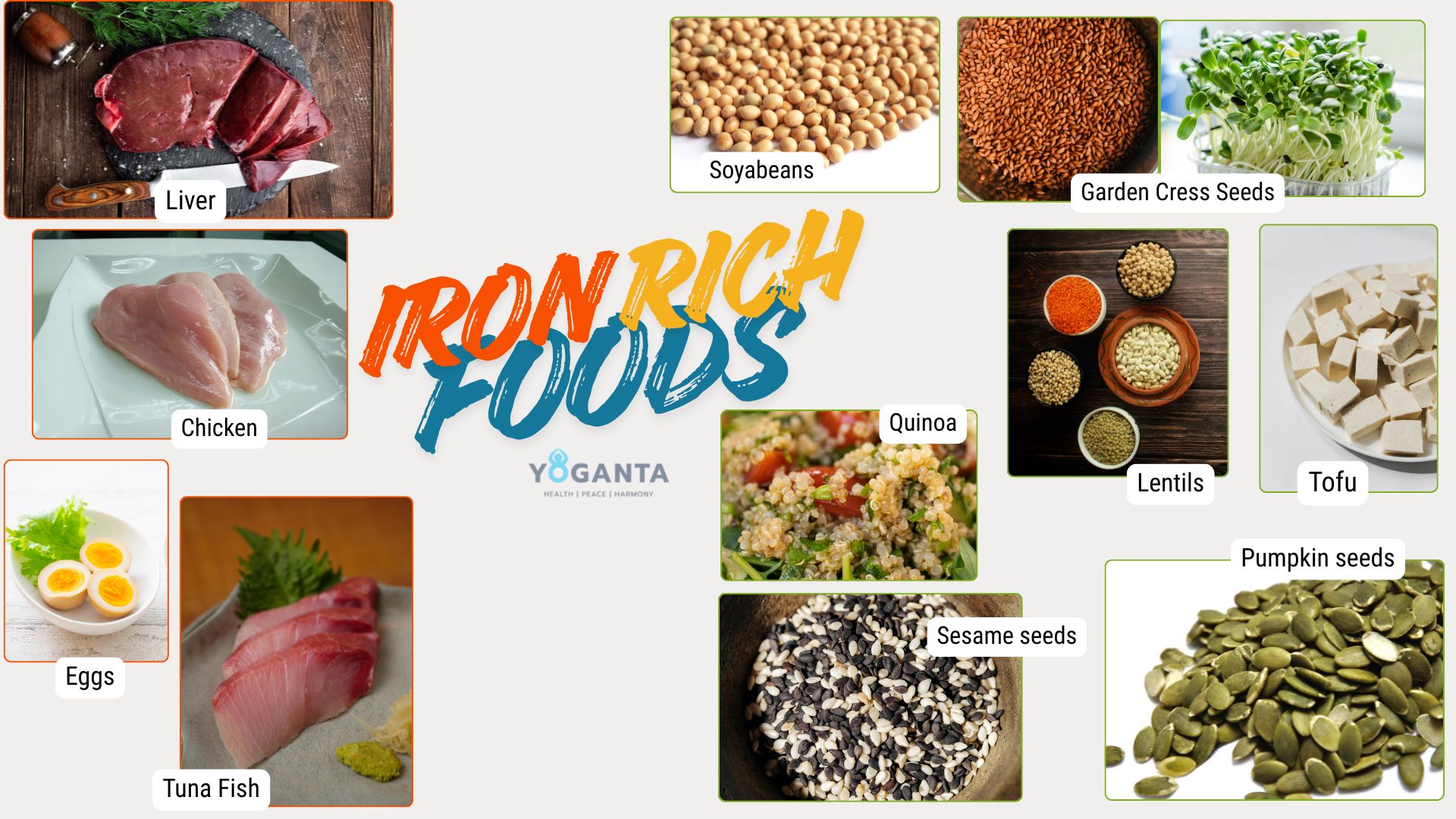
A balanced diet provides your body with the right combination of carbohydrates, proteins, healthy fats, vitamins, minerals, fibre, and water. Every organ depends on these nutrients to function efficiently.
Rather than following restrictive diets, focus on eating a variety of wholesome foods in appropriate portions. Healthy eating supports energy, immunity, brain function, digestion, and disease prevention.
A balanced diet is about consistency, variety, and moderation rather than eliminating entire food groups.
What Is a Balanced Diet?
A balanced diet includes foods from all major food groups in the right proportions to meet your body's nutritional needs.

Why Is a Balanced Diet Important?
A nutritious diet helps:
- Maintain healthy body weight
- Improve energy levels
- Strengthen immunity
- Support healthy growth
- Improve concentration
- Promote healthy ageing
- Reduce the risk of lifestyle diseases
Key Benefits
- Better physical health
- Improved mental wellbeing
- Healthy digestion
- Stronger immunity
- Sustainable energy
Essential Nutrients
Carbohydrates
Provide the body's primary source of energy.
Healthy sources include:
- Whole grains
- Brown rice
- Millets
- Oats
- Fruits
- Vegetables
Proteins
Support growth and tissue repair.
Healthy sources include:
- Lentils
- Beans
- Soybeans
- Tofu
- Eggs
- Fish
- Chicken
- Milk
Healthy Fats
Healthy fats support hormone production and brain function.
Sources include:
- Nuts
- Seeds
- Olive oil
- Avocados
- Fatty fish
Quick Tip
Choose whole foods more often than processed foods to naturally improve the nutritional quality of your meals.
Vitamins and Minerals
Vitamins and minerals regulate hundreds of chemical reactions that keep the body functioning normally. They support immunity, bone health, vision, metabolism, and tissue repair.
Include a colourful variety of fruits and vegetables such as:
- Spinach
- Carrots
- Tomatoes
- Citrus fruits
- Berries
- Broccoli
- Bell peppers
Mineral-rich foods include:
- Dairy products
- Nuts
- Seeds
- Whole grains
- Beans
- Fish
Fibre
Fibre promotes healthy digestion and supports a healthy gut microbiome. It also helps regulate blood sugar levels and may contribute to healthy cholesterol levels.
Good sources include:
- Oats
- Whole wheat
- Fruits
- Vegetables
- Legumes
- Seeds
Water
Water is essential for transporting nutrients, regulating body temperature, lubricating joints, and supporting every cell in the body.
Aim to drink water regularly throughout the day rather than waiting until you feel thirsty.
Key Benefits
- Supports healthy digestion
- Improves hydration
- Promotes healthy skin
- Helps regulate appetite
- Supports heart and kidney function
Building a Balanced Plate
A simple way to create nutritious meals is to divide your plate into healthy portions.
- Half the plate: Vegetables and fruits
- One-quarter: Whole grains or other healthy carbohydrates
- One-quarter: Protein-rich foods
- Include a small portion of healthy fats
- Drink water with meals
Healthy Plate
Focus on variety instead of perfection. Eating different colours of fruits and vegetables helps provide a wider range of nutrients.
Foods to Include Regularly
Whole Grains
- Brown rice
- Oats
- Whole wheat
- Millets
- Quinoa
Protein Sources
- Lentils
- Chickpeas
- Kidney beans
- Soybeans
- Tofu
- Eggs
- Fish
- Chicken
Healthy Fats
- Almonds
- Walnuts
- Pumpkin seeds
- Flaxseeds
- Olive oil
Fruits and Vegetables
Choose seasonal produce whenever possible for freshness and nutritional value.
Small improvements made consistently are far more sustainable than following restrictive diets for a short period.
Common Mistakes That Prevent a Balanced Diet
Even with good intentions, many people unknowingly develop eating habits that reduce the nutritional quality of their diet.
Skipping Breakfast
Skipping breakfast may lead to low energy levels and overeating later in the day.
Eating Too Many Processed Foods
Packaged snacks, sugary drinks, and fast food are often high in unhealthy fats, sugar, and sodium while being low in essential nutrients.
Ignoring Portion Sizes
Even healthy foods should be consumed in appropriate portions. Overeating can contribute to unwanted weight gain.
Not Eating Enough Fruits and Vegetables
Most adults consume fewer fruits and vegetables than recommended. Aim to include a variety of colourful produce every day.
Drinking Less Water
Mild dehydration can affect concentration, mood, and physical performance. Make hydration a daily habit.
Pros
- Eat a variety of whole foods.
- Include all major food groups.
- Stay hydrated.
- Choose seasonal fruits and vegetables.
- Plan meals in advance.
- Practice mindful eating.
Cons
- Skipping meals regularly.
- Excess consumption of processed foods.
- Sugary beverages every day.
- Eating while distracted.
- Depending on fad diets.
- Ignoring portion control.
Simple Tips for Following a Balanced Diet
Building healthy eating habits does not require drastic changes. Small, sustainable improvements often produce the best long-term results.
Some practical tips include:
- Plan your meals for the week.
- Include protein in every meal.
- Fill half your plate with vegetables.
- Replace refined grains with whole grains.
- Limit sugary snacks and beverages.
- Read food labels before purchasing packaged foods.
- Cook more meals at home whenever possible.
- Stay physically active alongside healthy eating.
Frequently Asked Questions
What is a balanced diet?
A balanced diet is one that provides all the essential nutrients your body needs through a variety of foods in appropriate proportions.
Can a balanced diet help with weight management?
Yes. Combined with regular physical activity and healthy lifestyle habits, a balanced diet supports healthy weight management by providing adequate nutrition without excessive calories.
Should I completely avoid carbohydrates?
No. Healthy carbohydrates such as whole grains, fruits, vegetables, and legumes are an important source of energy and should be included as part of a balanced diet.
How much water should I drink each day?
Water requirements vary depending on age, activity level, and climate. Drink water regularly throughout the day and increase intake during exercise or hot weather.
Is it okay to enjoy treats occasionally?
Yes. A balanced diet allows room for occasional treats. The key is moderation and maintaining healthy eating habits most of the time.
Final Thoughts
A balanced diet is one of the most powerful tools for maintaining good health and preventing lifestyle-related diseases. It provides your body with the nutrients needed for energy, growth, immunity, mental wellbeing, and healthy ageing.
Healthy eating is not about strict rules or eliminating your favourite foods. Instead, it is about making informed food choices, enjoying a variety of nutrient-rich foods, and building sustainable habits that support long-term wellbeing.
By combining balanced nutrition with regular physical activity, adequate sleep, and stress management, you can significantly improve your overall quality of life and reduce the risk of chronic diseases.
Remember, every healthy meal is an investment in your future health. Small changes made consistently can lead to lasting improvements in your wellbeing.
Start Your Personalized Diet & Nutrition Journey Today
Discover science-backed diet and nutrition plans designed to support your health goals with expert guidance from Yoganta.
Explore Diet & Nutrition Plans