Iron is one of the most important minerals your body needs to function properly. It plays a vital role in producing haemoglobin, the protein in red blood cells responsible for carrying oxygen from your lungs to every part of your body. Without enough iron, your body cannot produce sufficient healthy red blood cells, which may lead to fatigue, weakness, poor concentration, and iron deficiency anaemia.
Although iron is required in relatively small amounts, it has a significant impact on your overall health. Adequate iron intake supports energy production, brain function, immunity, physical performance, and healthy growth. This makes iron an essential nutrient for children, adolescents, women of reproductive age, pregnant women, athletes, and individuals recovering from illness.
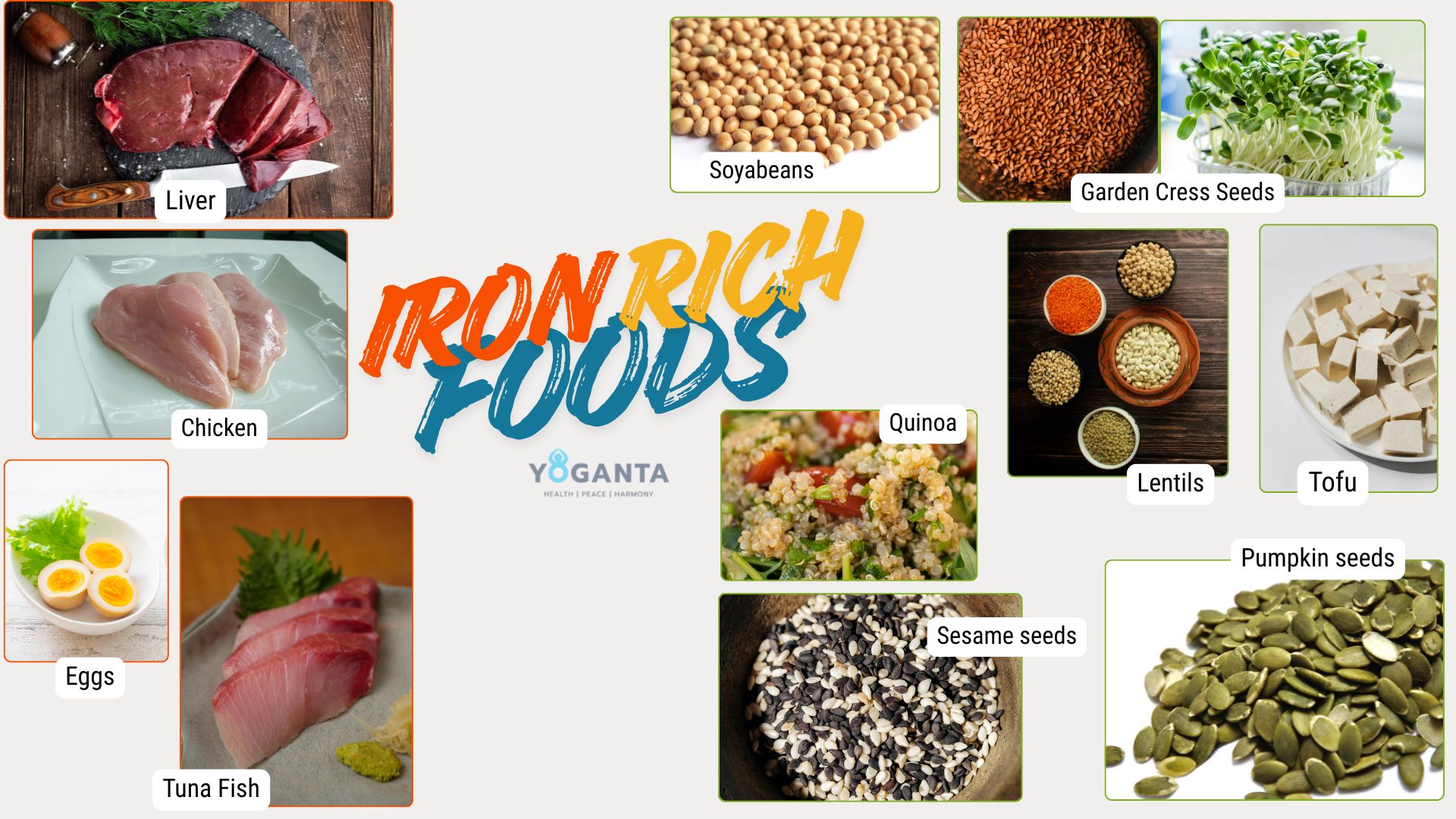
Fortunately, many everyday foods naturally contain iron. Animal-based foods such as liver, lean meat, chicken, and fish provide heme iron, which is easily absorbed by the body. Plant-based foods such as lentils, soybeans, tofu, pumpkin seeds, sesame seeds, quinoa, and garden cress seeds provide non-heme iron, which can also contribute significantly to your daily iron requirements when consumed as part of a balanced diet.
Understanding which foods contain the highest amounts of iron and how to improve iron absorption can help you maintain healthy iron levels naturally without relying solely on supplements.
In this guide, you'll learn why iron is important, the difference between heme and non-heme iron, the top iron-rich foods, practical dietary tips, and simple ways to maximize iron absorption.
Iron deficiency is one of the most common nutritional deficiencies worldwide. Eating a balanced diet that includes a variety of iron-rich foods can help support healthy haemoglobin levels and overall wellbeing.
What Is Iron?
Iron is an essential mineral involved in several important functions throughout the body.
Its primary role is the production of haemoglobin, which allows red blood cells to transport oxygen efficiently. Iron also supports the formation of myoglobin, a protein that stores oxygen in muscles, enabling them to function effectively during physical activity.
In addition to oxygen transport, iron contributes to:
- Energy production
- Healthy immune function
- Brain development
- Cognitive performance
- Muscle metabolism
- DNA synthesis
- Normal growth and development
Since the human body cannot produce iron on its own, it must be obtained regularly through food.
Why Is Iron Important?
Iron influences nearly every cell in the body.
Without sufficient iron, oxygen delivery decreases, making it difficult for tissues and organs to function efficiently.
Maintaining healthy iron levels supports:
- Better energy levels
- Healthy red blood cell production
- Improved concentration
- Strong immune function
- Healthy pregnancy
- Physical endurance
- Normal growth in children
- Faster recovery after illness
People with inadequate iron intake often experience symptoms gradually, making the deficiency difficult to recognise during its early stages.
Some common signs include:
- Persistent tiredness
- Weakness
- Pale skin
- Shortness of breath
- Frequent headaches
- Dizziness
- Cold hands and feet
- Brittle nails
- Poor concentration
If these symptoms persist, medical evaluation is recommended to identify the underlying cause.
Did You Know?
Women of reproductive age generally require more dietary iron than men because of regular menstrual blood loss. During pregnancy, iron requirements increase even further to support the growing baby and the mother's expanding blood volume.
Heme Iron vs Non-Heme Iron
Dietary iron is available in two forms.
Understanding the difference helps you plan a healthier diet.
Heme Iron
Heme iron is found only in animal-based foods.
It is absorbed much more efficiently by the body than plant-based iron.
Common sources include:
- Liver
- Lean red meat
- Chicken
- Tuna
- Sardines
- Eggs
- Shellfish
Because of its higher absorption rate, heme iron is particularly beneficial for individuals with increased iron requirements.
Non-Heme Iron
Non-heme iron is found in plant-based foods.
Although absorption is lower than heme iron, consuming vitamin C-rich foods alongside plant-based iron sources can significantly improve its absorption.
Excellent vegetarian sources include:
- Soybeans
- Lentils
- Garden cress seeds
- Sesame seeds
- Pumpkin seeds
- Tofu
- Chickpeas
- Kidney beans
- Quinoa
- Spinach
Key Benefits
Heme iron is absorbed more efficiently by the body. Plant-based foods provide valuable non-heme iron along with fibre and antioxidants. Combining iron-rich foods with vitamin C improves absorption. A varied diet helps maintain healthy iron levels naturally.
Top Iron-Rich Foods
Many nutritious foods naturally provide significant amounts of iron. Including a variety of these foods in your weekly diet helps meet your daily nutritional requirements while supporting overall health.
Liver
Liver is widely regarded as one of the richest natural sources of dietary iron.
It also provides:
- Vitamin A
- Vitamin B12
- Folate
- Copper
- High-quality protein
Because liver contains large amounts of vitamin A, it should be consumed in moderation, especially during pregnancy.
Soybeans
Soybeans are among the richest vegetarian sources of iron.
In addition to iron, they provide:
- Complete plant protein
- Dietary fibre
- Calcium
- Magnesium
- Potassium
Soybeans can be consumed as whole beans, soy chunks, soy milk, tofu, or tempeh.
Garden Cress Seeds
Garden cress seeds, commonly known as Halim Seeds or Aliv Seeds, are one of the richest vegetarian sources of iron.
These tiny seeds are traditionally consumed in many parts of India to support healthy haemoglobin levels, particularly among women.
They can be added to:
- Smoothies
- Laddoos
- Porridge
- Milk
- Overnight soaked preparations
Lentils
Lentils are one of the most affordable and nutritious sources of plant-based iron. They are also rich in protein, dietary fibre, folate, and essential minerals, making them an excellent choice for vegetarians and vegans.
Regularly including lentils in your meals may help support healthy haemoglobin levels while contributing to overall nutrition.
Popular varieties include:
- Red Lentils (Masoor Dal)
- Green Lentils
- Brown Lentils
- Black Lentils (Urad Dal)
- Yellow Lentils (Moong Dal)
Tofu
Tofu is made from soybeans and is an excellent source of both protein and iron.
Its mild flavour makes it easy to include in a wide variety of dishes such as:
- Stir-fries
- Salads
- Curries
- Soups
- Sandwiches
For people following vegetarian or vegan diets, tofu is one of the best alternatives to animal-based protein.
Pumpkin Seeds
Pumpkin seeds are packed with iron and several other important nutrients including magnesium, zinc, healthy fats, and antioxidants.
They make a convenient and nutritious snack and can also be sprinkled over:
- Oatmeal
- Smoothies
- Salads
- Yogurt
- Breakfast bowls
Sesame Seeds
Sesame seeds are another excellent vegetarian source of iron.
Besides iron, they also provide:
- Calcium
- Magnesium
- Healthy fats
- Protein
- Copper
They can easily be incorporated into everyday meals through chutneys, tahini, roasted seed mixes, salads, or traditional Indian recipes.
Quinoa
Quinoa is often referred to as a super grain because of its impressive nutritional profile.
It contains:
- Iron
- Complete protein
- Dietary fibre
- Magnesium
- Potassium
Unlike many grains, quinoa contains all nine essential amino acids, making it particularly valuable for plant-based diets.
Eggs
Eggs contain moderate amounts of iron along with high-quality protein, vitamin B12, vitamin D, and choline.
Although eggs are not among the richest sources of iron, they contribute to overall nutrient intake and fit well into a balanced diet.
Chicken
Chicken, particularly darker cuts, provides heme iron that is more readily absorbed than plant-based iron.
It also supplies:
- Lean protein
- Vitamin B6
- Niacin
- Selenium
Chicken can be included as part of a balanced meal alongside vegetables and whole grains.
Tuna Fish
Tuna is another valuable source of heme iron and high-quality protein.
It also contains:
- Omega-3 fatty acids
- Vitamin D
- Vitamin B12
- Selenium
Including fish regularly may support heart health while contributing to your daily iron intake.
Key Benefits
Supports healthy haemoglobin production. Provides essential vitamins and minerals. Improves overall nutritional quality. Suitable for balanced vegetarian and non-vegetarian diets. Helps maintain healthy energy levels. Supports immunity and muscle function. Encourages long-term wellness through whole foods.
How to Improve Iron Absorption
Eating iron-rich foods is only part of the equation. Your body must also absorb the iron effectively.
Fortunately, several simple dietary habits can improve iron absorption naturally.
Pair Iron with Vitamin C
Vitamin C significantly enhances the absorption of non-heme iron.
Excellent sources include:
- Amla
- Oranges
- Sweet lime
- Guava
- Kiwi
- Strawberries
- Tomatoes
- Bell peppers
- Lemon juice
For example, squeezing fresh lemon juice over lentils or salads can help improve iron absorption.
Avoid Tea and Coffee Around Meals
Tea and coffee contain compounds called tannins that can reduce iron absorption.
Try to avoid consuming them:
- One hour before meals
- One to two hours after meals
This is especially important for individuals with low iron levels.
Cook Using Cast Iron Cookware
Preparing certain foods in cast iron cookware may slightly increase their iron content, particularly acidic foods such as tomato-based dishes.
Although this should not be your primary source of iron, it can make a small contribution over time.
Eat a Variety of Iron-Rich Foods
No single food provides every nutrient your body needs.
A varied diet containing:
- Whole grains
- Lentils
- Legumes
- Seeds
- Nuts
- Green leafy vegetables
- Fruits
- Animal-based foods (if consumed)
helps support overall nutrition while reducing the risk of deficiencies.
Quick Tip
If you follow a vegetarian or vegan diet, combine iron-rich foods with vitamin C-rich fruits or vegetables in the same meal. This simple habit can noticeably improve non-heme iron absorption.
Who Is More Likely to Need Additional Iron?
While everyone requires iron, certain groups have higher daily requirements due to growth, blood loss, or increased physiological demands.
These include:
- Women during menstruation
- Pregnant women
- Breastfeeding mothers
- Infants and young children
- Teenagers during periods of rapid growth
- Endurance athletes
- Frequent blood donors
- Vegetarians and vegans
- Individuals recovering from major illness or surgery
If you belong to one of these groups, speak with a qualified healthcare professional before taking iron supplements. Dietary improvements are often recommended first, but supplementation may be necessary in some cases.
Common Mistakes That Reduce Iron Absorption
Even when people eat iron-rich foods regularly, certain habits can reduce the amount of iron the body absorbs.
Avoid these common mistakes to get the most benefit from your diet.
Relying on a Single Iron Source
Eating only one iron-rich food every day is not the best strategy.
Instead, include a variety of:
- Legumes
- Whole grains
- Seeds
- Nuts
- Green leafy vegetables
- Animal-based foods (if consumed)
A diverse diet provides additional vitamins and minerals that work together to support overall health.
Ignoring Vitamin C
Many people consume iron-rich foods without pairing them with vitamin C.
Since vitamin C significantly improves the absorption of non-heme iron, try adding foods such as:
- Lemon
- Amla
- Guava
- Oranges
- Tomatoes
- Bell peppers
to your meals whenever possible.
Drinking Tea or Coffee Immediately After Meals
Tea and coffee contain natural compounds that can interfere with iron absorption.
If you regularly consume these beverages, wait at least one to two hours after eating an iron-rich meal.
Depending Only on Supplements
Iron supplements should only be taken under the guidance of a qualified healthcare professional.
Taking excessive iron unnecessarily may cause digestive discomfort and, in some cases, iron overload.
Whenever possible, obtain iron from a balanced and varied diet.
Pros
- Eat a variety of iron-rich foods.
- Include vitamin C with meals.
- Maintain a balanced diet.
- Stay hydrated.
- Choose whole foods whenever possible.
- Consult a healthcare professional if deficiency is suspected.
Cons
- Drinking tea or coffee immediately after meals.
- Depending on one food source alone.
- Ignoring symptoms of iron deficiency.
- Taking iron supplements without medical advice.
- Following highly restrictive diets without proper planning.
Frequently Asked Questions
Which food contains the highest amount of iron?
Among natural foods, liver is one of the richest sources of highly absorbable heme iron. For vegetarians, garden cress seeds (Halim/Aliv seeds), soybeans, sesame seeds, and pumpkin seeds are excellent sources of non-heme iron.
Can vegetarians get enough iron from food?
Yes. A well-planned vegetarian diet that includes lentils, soybeans, tofu, beans, garden cress seeds, sesame seeds, pumpkin seeds, whole grains, and green leafy vegetables can provide adequate iron. Pairing these foods with vitamin C-rich fruits and vegetables helps improve absorption.
Which fruits help improve iron absorption?
Fruits rich in vitamin C such as oranges, amla, guava, kiwi, strawberries, and sweet lime help improve the absorption of non-heme iron from plant-based foods.
Does spinach contain a lot of iron?
Spinach contains iron along with several other nutrients. However, it also contains oxalates that can reduce iron absorption. Combining spinach with vitamin C-rich foods may help improve the body's ability to absorb its iron.
Should everyone take iron supplements?
No. Iron supplements should only be taken when recommended by a qualified healthcare professional after appropriate evaluation. Excess iron can also be harmful.
Can cooking methods affect iron content?
Yes. Cooking methods may slightly influence the iron content and absorption of certain foods. Cooking acidic foods in cast iron cookware can modestly increase their iron content.
Final Thoughts
Iron is an essential mineral that supports oxygen transport, energy production, immunity, cognitive function, and overall wellbeing. Including a variety of iron-rich foods in your daily diet is one of the most effective ways to maintain healthy iron levels naturally.
Both animal-based and plant-based foods can contribute to your daily iron intake. Foods such as liver, soybeans, lentils, tofu, pumpkin seeds, sesame seeds, quinoa, eggs, chicken, tuna fish, and garden cress seeds are all excellent choices that provide valuable nutrients beyond iron alone.
Remember that eating iron-rich foods is only one part of the equation. Pairing plant-based iron sources with vitamin C-rich foods, limiting tea or coffee around meals, and following a balanced diet can significantly improve iron absorption.
If you experience persistent fatigue, weakness, dizziness, or other symptoms associated with iron deficiency, consult a qualified healthcare professional for proper evaluation rather than self-medicating with supplements.
By making informed food choices and maintaining a varied, nutrient-rich diet, you can support healthy haemoglobin levels, improve energy, and promote long-term health.
Food should always be your first source of nutrients whenever possible. A balanced diet rich in whole foods, combined with healthy lifestyle habits, provides the strongest foundation for maintaining optimal iron levels and overall wellbeing.
Start Your Personalized Diet & Nutrition Journey Today
Discover science-backed diet and nutrition plans tailored to your health goals. Build healthy eating habits with expert guidance from Yoganta.
Explore Diet & Nutrition Plans