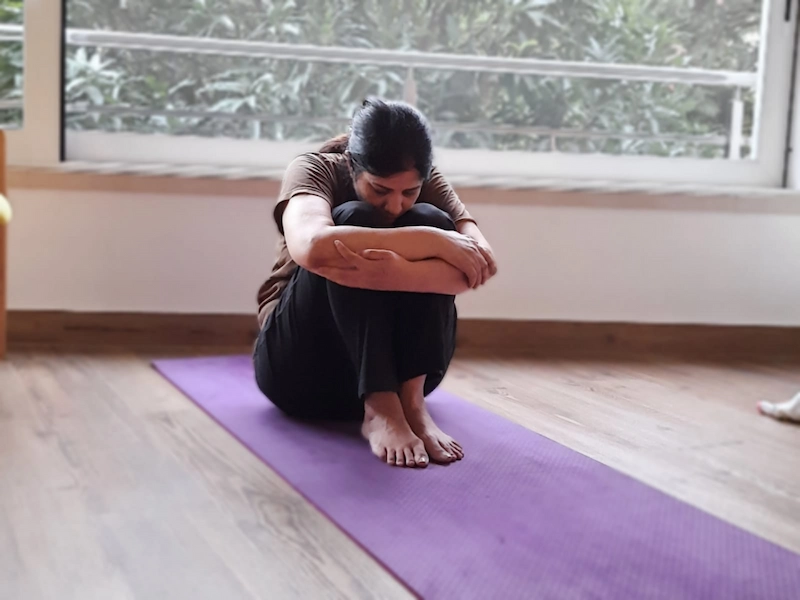
Online Yoga has transformed the way people learn and practice yoga. Whether you're exploring yoga for the first time, managing a busy professional life, or returning to your practice after a break, online yoga classes make quality instruction more accessible than ever before.
Instead of travelling to a yoga studio, you can now learn from experienced instructors right from your home. Live online yoga classes, recorded sessions, and structured online yoga courses allow you to practice at a time and pace that fits your lifestyle.
The growing popularity of virtual yoga has removed many barriers that once prevented people from practising consistently. Long commutes, fixed schedules, geographical limitations, and crowded studios are no longer obstacles. All you need is a quiet practice space, a yoga mat, and a stable internet connection.
A well-designed online yoga program is much more than following a video. It combines expert instruction, mindful movement, breathing techniques, relaxation practices, and gradual progression to support both physical and mental wellbeing.
In this comprehensive guide, you'll learn what Online Yoga is, how it works, the different types of classes available, its benefits, who should practice it, and how to begin your own home yoga journey with confidence.
Practice Under Expert Guidance
Online Yoga can be highly effective when practised consistently under the guidance of qualified instructors. Beginners should begin with foundational classes that emphasize proper alignment, breathing techniques, and gradual progression instead of advanced postures.
What Is Online Yoga?
Online Yoga is the practice of learning and performing yoga through digital platforms instead of attending sessions at a physical yoga studio. Classes may be conducted live by an instructor or offered as recorded lessons that students can access anytime.
A typical online yoga session includes many of the same elements found in traditional classes, including:
- Gentle warm-up exercises
- Yoga postures (Asanas)
- Breathing techniques (Pranayama)
- Relaxation practices
- Meditation or mindfulness
Depending on the platform, students may participate in:
- Live group classes
- Private one-to-one sessions
- Self-paced online courses
- Yoga teacher training programs
- Wellness workshops
Modern online yoga platforms have evolved significantly over the past few years. Many now offer live instructor feedback, progress tracking, personalized guidance, downloadable resources, and supportive online communities that help students remain motivated throughout their wellness journey.
Unlike generic fitness videos, professionally designed online yoga classes focus on safe movement, proper body alignment, controlled breathing, and mindful awareness.
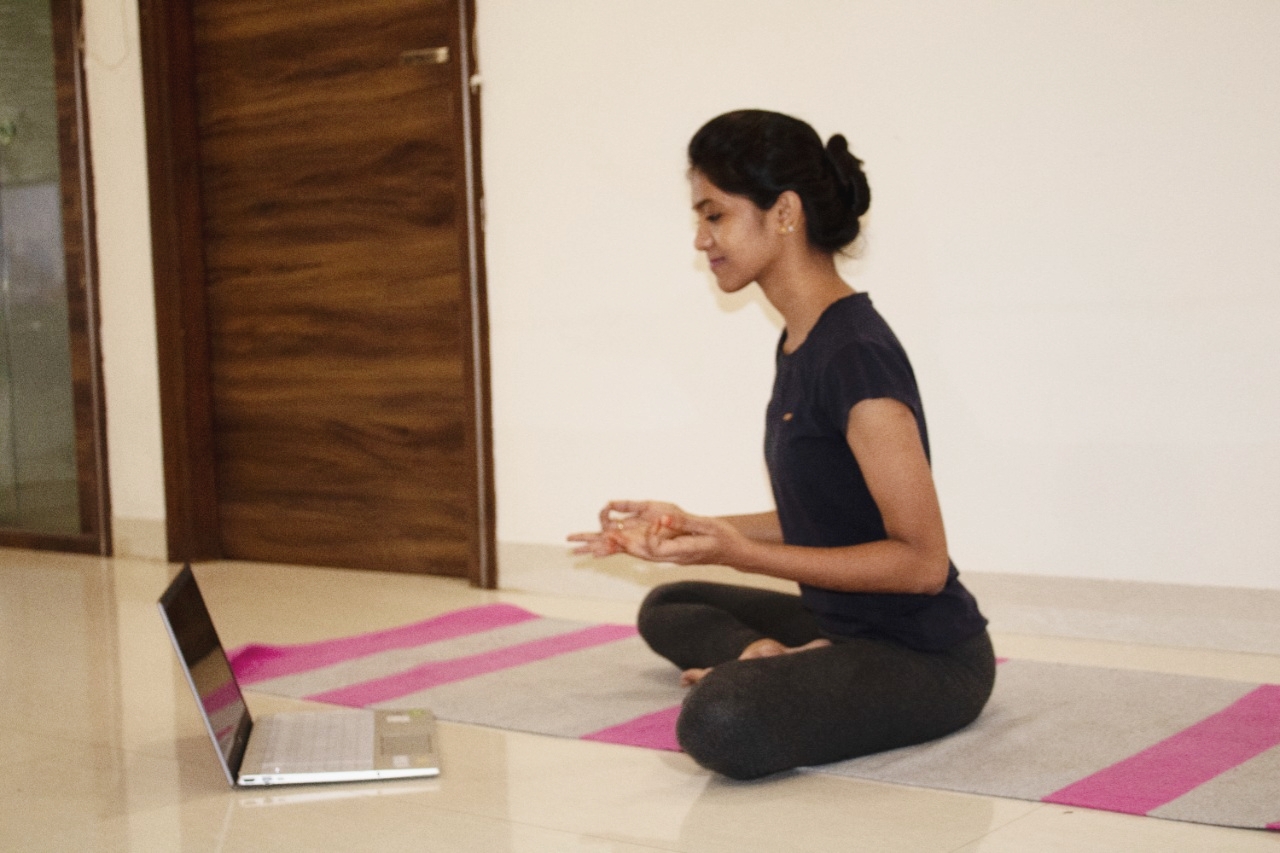
How Online Yoga Works
Getting started with Online Yoga is surprisingly simple. Most platforms follow a structured process that allows beginners to begin safely while giving experienced practitioners flexibility in choosing the classes that best suit their goals.
A typical Online Yoga journey looks like this:
- Choose a qualified yoga instructor or trusted online platform.
- Register for a live class or enrol in an online yoga course.
- Prepare a quiet and clutter-free practice space.
- Position your laptop, tablet, or smartphone where your entire body remains visible.
- Follow the instructor's guidance throughout the session.
- Practice consistently to improve flexibility, strength, balance, and mindfulness.
Many live online yoga classes encourage participants to keep their cameras turned on. This allows instructors to observe body alignment and provide verbal corrections during the practice.
Recorded sessions offer a different advantage. Students can pause, replay, and revisit lessons whenever needed, making them particularly useful for beginners who prefer learning at their own pace.
Quick Tip
If you're joining a live online yoga class for the first time, position your camera so your instructor can clearly see your entire body while standing. This helps them provide more accurate posture and alignment guidance.
Key Benefits
- Practice from anywhere with an internet connection.
- Learn from experienced yoga instructors regardless of location.
- Save commuting time and travel expenses.
- Build a consistent wellness routine that fits your schedule.
Types of Online Yoga Classes
Online Yoga is available in several formats, allowing learners to choose an option that matches their schedule, experience level, and personal wellness goals.
Live Online Yoga Classes
Live classes are conducted in real time through video conferencing platforms. Students interact directly with instructors, receive immediate guidance, and become part of a virtual learning community.
These classes are ideal for learners who value accountability, structured schedules, and real-time posture corrections.
Best for:
- Beginners
- Working professionals
- People who need motivation
- Anyone seeking instructor feedback
Recorded Yoga Sessions
Recorded sessions provide complete flexibility. Students can practice whenever it's convenient without worrying about fixed class timings.
Since lessons can be paused, replayed, and revisited multiple times, recorded classes are particularly helpful for beginners who prefer learning at their own pace.
Best for:
- Shift workers
- Frequent travellers
- Busy professionals
- Self-paced learners
One-to-One Online Yoga Sessions
Private online sessions offer personalized instruction based on an individual's health conditions, mobility, fitness level, and goals.
The instructor designs each session specifically for the student's requirements.
These sessions are commonly recommended for:
- Beginners
- Seniors
- Therapeutic Yoga participants
- Individuals recovering from injuries
- People with specific wellness goals
Personalized Learning
Private Online Yoga sessions provide focused attention, allowing instructors to modify postures and breathing techniques according to your individual needs and progress.
Group Online Yoga Classes
Group classes combine affordability with the motivation of practising alongside other participants.
Although everyone joins remotely, students still share the same instructor, schedule, and overall learning experience.
Many practitioners enjoy group classes because they encourage consistency and create a sense of community.
Advantages include:
- Affordable pricing
- Regular practice schedule
- Community motivation
- Shared learning experience
Self-Paced Online Yoga Courses
Structured online courses typically include:
- Video lessons
- Guided practice schedules
- Downloadable study material
- Progress tracking
- Assessments
- Community discussion forums
These courses are ideal for learners who enjoy following a structured curriculum independently.
Which Format Should You Choose?
If you're completely new to yoga, begin with live instructor-led classes to build a strong foundation. Once you're comfortable with the basics, recorded sessions and self-paced courses become excellent tools for maintaining a consistent practice.
Benefits of Online Yoga
The popularity of Online Yoga continues to grow because it combines the timeless benefits of yoga with the convenience of modern technology.
Key Benefits
- Practice from anywhere in the world.
- Learn from experienced yoga instructors.
- Save commuting time and travel expenses.
- Build a flexible and consistent wellness routine.
- Access classes for every age and fitness level.
- Choose live, recorded, or personalized sessions.
- Improve both physical and mental wellbeing.
- Learn at your own pace.
Greater Convenience
One of the biggest advantages of Online Yoga is accessibility.
Instead of planning your day around studio schedules, you can practice before work, during lunch breaks, or in the evening from the comfort of your home.
This flexibility makes it easier to maintain a regular practice, which is one of the most important factors in experiencing yoga's long-term benefits.
Flexible Learning Schedule
Online Yoga classes are available throughout the day, making them suitable for:
- Working professionals
- Students
- Homemakers
- Entrepreneurs
- Senior citizens
- Frequent travellers
Many platforms also provide recorded sessions, allowing students to learn entirely at their own pace.
Affordable Learning
Compared to traditional studio memberships, Online Yoga often provides greater value.
Students can choose from:
- Free introductory classes
- Monthly memberships
- Annual subscriptions
- One-to-one coaching
- Comprehensive certification programs
This flexibility allows learners to select programs that match both their goals and their budget.
Access to Experienced Teachers
One of the greatest strengths of digital learning is accessibility.
Instead of being limited to instructors in your local area, Online Yoga enables you to learn from experienced teachers across India and around the world.
You can easily find instructors specializing in:
- Yoga for Beginners
- Therapeutic Yoga
- Corporate Yoga
- Prenatal Yoga
- Meditation
- Breathwork
- Flexibility Training
- Stress Management
Better Consistency
Many people stop attending physical yoga studios because of travel time, busy schedules, or unexpected commitments.
Online Yoga removes these barriers, making it easier to maintain a consistent routine.
Even practising for twenty to thirty minutes several times each week can contribute to noticeable improvements in flexibility, posture, strength, and overall wellbeing.
Supports Mental Wellbeing
Yoga combines mindful movement with conscious breathing and relaxation techniques.
Regular practice may help support:
- Stress management
- Better sleep quality
- Improved concentration
- Emotional resilience
- Mental clarity
- Increased self-awareness
Wellness Reminder
Yoga supports overall physical and mental wellbeing, but it should complement rather than replace professional medical or mental healthcare whenever necessary.
Supports Physical Health
Consistent yoga practice may contribute to improvements in:
- Flexibility
- Balance
- Mobility
- Core strength
- Joint health
- Body awareness
- Coordination
- Healthy posture
These benefits often extend beyond yoga practice into daily life, making everyday movement more comfortable and efficient.
Who Should Practice Online Yoga?
One of the reasons Online Yoga has become so popular is its versatility.
With appropriate instruction and suitable modifications, Online Yoga is beneficial for people of different ages, lifestyles, and fitness levels.
It is especially suitable for:
- Complete beginners
- Busy professionals
- Students
- Homemakers
- Senior citizens
- Fitness enthusiasts
- Individuals seeking stress management
- People looking to improve flexibility
- Anyone wanting to establish a regular home yoga practice
- Travellers who need a portable wellness routine
Because classes are available in different styles and intensity levels, students can gradually progress as their confidence, strength, and mobility improve.
Pros
- Learn from the comfort of your home.
- Flexible schedules suit busy lifestyles.
- Access experienced instructors from anywhere.
- Suitable for all fitness levels.
- Encourages long-term consistency.
- Often more affordable than studio classes.
Cons
- Requires self-discipline.
- Limited hands-on posture adjustments.
- Depends on a stable internet connection.
- Beginners should choose qualified instructors carefully.
Who Should Avoid or Modify Online Yoga?
Although Online Yoga is suitable for most healthy individuals, some people should seek medical advice or enrol in specialised yoga programs before beginning.
This includes individuals with:
- Recent surgery
- Acute injuries
- Severe osteoporosis
- Uncontrolled high blood pressure
- Serious balance disorders
- Advanced neurological conditions
- Pregnancy without medical guidance
Many of these individuals can still benefit from yoga through therapeutic yoga, chair yoga, prenatal yoga, or medically supervised programs that are tailored to their specific needs.
Practice Safely
Never force your body into a posture that causes sharp pain or discomfort. Yoga should challenge your body gently, not cause injury. If you have a medical condition, consult your healthcare provider before beginning a new exercise program.
Equipment Required for Online Yoga
One of the biggest advantages of Online Yoga is that it requires very little equipment to get started. As your practice grows, you may gradually invest in additional accessories to improve comfort and support.
For beginners, the following essentials are usually enough:
- A good-quality yoga mat
- Comfortable stretchable clothing
- Stable internet connection
- Laptop, tablet, or smartphone
- Water bottle
- Quiet, well-ventilated practice space
Optional accessories include:
- Yoga blocks
- Yoga strap
- Yoga bolster
- Meditation cushion
- Yoga blanket
You Don't Need Expensive Equipment
Many beginners delay starting yoga because they think they need premium accessories. In reality, a comfortable mat, breathable clothing, and enough space to stretch are all you need for your first class.
How to Choose the Right Online Yoga Class
With hundreds of online yoga platforms available today, choosing the right class can feel overwhelming.
Instead of selecting the first option you find, evaluate a few important factors before enrolling.
1. Instructor Qualifications
Always learn from certified and experienced yoga instructors.
A qualified teacher understands proper alignment, safe progression, breathing techniques, and modifications for different fitness levels.
2. Class Style
Choose a yoga style that matches your goals.
For example:
- Hatha Yoga for beginners
- Gentle Yoga for relaxation
- Flow Yoga for fitness
- Therapeutic Yoga for pain management
- Meditation-focused classes for stress reduction
3. Class Size
Smaller classes usually provide more opportunities for instructor feedback and personalised guidance.
If you're completely new to yoga, consider beginning with either private sessions or small group classes.
4. Schedule Flexibility
Look for platforms that offer:
- Morning classes
- Evening classes
- Weekend batches
- Recorded sessions
- Make-up classes (where available)
The easier it is to fit yoga into your routine, the more likely you'll stay consistent.
5. Student Reviews
Read genuine student reviews before joining.
Pay attention to feedback regarding:
- Teaching quality
- Instructor support
- Class organisation
- Technical experience
- Overall satisfaction
Key Benefits
- Certified instructors improve learning quality.
- Smaller classes offer better personal attention.
- Flexible schedules encourage consistency.
- Recorded sessions support self-paced learning.
Common Beginner Mistakes in Online Yoga
Every beginner makes mistakes during the learning process. Fortunately, most of them are easy to avoid with the right guidance.
Skipping Warm-up
Many people jump directly into yoga postures without preparing the body.
A proper warm-up improves circulation, increases mobility, and reduces the risk of injuries.
Comparing Yourself to Others
Yoga is a personal journey.
Comparing your flexibility or balance with someone else often creates unnecessary frustration.
Focus on gradual progress instead of perfection.
Holding Your Breath
Many beginners unknowingly stop breathing while attempting challenging postures.
Breathing should remain slow, steady, and controlled throughout the practice.
Practising Inconsistently
Occasional long sessions are less effective than short, regular practice.
Even twenty to thirty minutes several times each week can produce meaningful improvements over time.
Ignoring Body Signals
Yoga should never cause sharp pain.
If a posture feels uncomfortable, modify it or come out of the pose rather than forcing your body.
Choosing Advanced Classes Too Early
Advanced classes may appear inspiring, but they often require strength, flexibility, and body awareness that beginners have not yet developed.
Start with foundational classes and progress gradually.
Pros
- Practice consistently.
- Listen to your body.
- Focus on proper breathing.
- Learn correct alignment.
- Progress at your own pace.
Cons
- Skipping warm-up.
- Comparing yourself with others.
- Forcing difficult poses.
- Holding your breath.
- Practising irregularly.
- Choosing advanced classes too soon.
Expert Tips for Building a Consistent Online Yoga Practice
Consistency matters far more than intensity.
Following a few simple habits can help you develop a sustainable yoga routine that becomes part of your daily lifestyle.
Key Benefits
- Practice at the same time every day.
- Create a dedicated yoga space at home.
- Wear comfortable clothing.
- Keep your phone on silent during practice.
- Focus on breathing rather than perfection.
- Increase difficulty gradually.
- Stay hydrated.
- Celebrate small improvements.
Remember
Yoga is not about touching your toes. It's about building awareness, improving your health, and developing a stronger connection between your body, breath, and mind through regular practice.
Frequently Asked Questions
Is Online Yoga effective for beginners?
Yes. Online Yoga is highly effective for beginners when they learn from qualified instructors and start with beginner-friendly classes that focus on proper alignment, breathing techniques, and gradual progression.
Can I lose weight through Online Yoga?
Online Yoga can support healthy weight management when combined with a balanced diet and consistent practice. Dynamic yoga styles, regular movement, and mindful lifestyle habits all contribute to overall fitness.
How often should I practice Online Yoga?
Beginners should aim to practice three to five times per week for 20 to 45 minutes. Consistency is more important than practising for long durations occasionally.
Do I need expensive equipment for Online Yoga?
No. A comfortable yoga mat, breathable clothing, enough space to move freely, and a stable internet connection are usually all you need to begin practising Online Yoga.
Can seniors join Online Yoga classes?
Yes. Many instructors offer gentle yoga and chair yoga classes specifically designed for older adults. Seniors should choose beginner-friendly sessions and consult their healthcare provider if they have existing medical conditions.
Are live classes better than recorded sessions?
Both have advantages. Live classes provide real-time instructor guidance and accountability, while recorded sessions offer complete flexibility and allow students to learn at their own pace.
Final Thoughts
Online Yoga has made quality yoga education more accessible than ever before. Whether your goal is improving flexibility, reducing stress, building strength, managing a busy schedule, or simply living a healthier lifestyle, practising yoga online allows you to learn from experienced instructors without leaving your home.
The key to long-term success is not choosing the most advanced class but building a consistent and enjoyable routine that suits your lifestyle. Starting with beginner-friendly sessions, focusing on proper alignment, and practising regularly will help you develop confidence while experiencing the physical and mental benefits that yoga has to offer.
Remember that yoga is a lifelong journey rather than a short-term fitness challenge. Progress comes through patience, mindful practice, and consistency. Every session brings an opportunity to improve your health, cultivate inner awareness, and create positive habits that support overall wellbeing.
Whether you choose live instructor-led classes, recorded sessions, or personalised one-to-one coaching, Online Yoga provides the flexibility and accessibility needed to make yoga a sustainable part of modern life.
Start Small, Stay Consistent
You don't need to be flexible, fit, or experienced to begin practising yoga. Start with simple beginner classes, listen to your body, and focus on making yoga a regular part of your daily routine. Small, consistent efforts often lead to the greatest long-term results.
Begin Your Online Yoga Journey
Experience expert-led Online Yoga classes designed for beginners, working professionals, seniors, and anyone looking to build a healthier lifestyle from the comfort of home.
Explore Online Yoga Classes