Starting yoga can feel exciting, but it can also be overwhelming. With countless yoga styles, online videos, social media tutorials, and different opinions, many beginners are unsure where to begin.
The good news is that yoga does not require exceptional flexibility, advanced strength, or previous experience. Yoga is a personal journey that gradually improves your physical health, mental wellbeing, breathing, balance, and overall quality of life.
Unlike many forms of exercise that focus only on physical fitness, yoga integrates movement, breath, and mindfulness. This holistic approach helps practitioners become stronger, more flexible, calmer, and more aware of both body and mind.
Whether your goal is improving flexibility, reducing stress, managing body stiffness, increasing fitness, or simply living a healthier lifestyle, yoga offers something valuable for everyone.
In this beginner's guide, you'll learn what yoga is, why it's beneficial, how to start safely, what equipment you need, and the simple habits that will help you build a consistent and enjoyable yoga practice.
You do not need to be flexible to start yoga. Flexibility is one of the many benefits that develops gradually through regular practice.
What Is Yoga?
Yoga is an ancient practice that combines physical postures, breathing techniques, meditation, and mindfulness to promote overall health and wellbeing.
While many people associate yoga with stretching, it is much more than physical exercise. A complete yoga practice develops strength, balance, flexibility, concentration, emotional wellbeing, and self-awareness.
Modern yoga classes often include:
- Gentle warm-up exercises
- Yoga postures (Asanas)
- Breathing techniques (Pranayama)
- Relaxation practices
- Meditation or mindfulness
Each element works together to create a balanced practice that benefits both the body and the mind.
Why Beginners Should Start Practising Yoga
Yoga offers numerous physical and mental health benefits, making it one of the most accessible wellness practices for beginners.
Some of the most common benefits include:
- Improved flexibility
- Better posture
- Increased strength
- Enhanced balance
- Reduced stress
- Improved breathing
- Better sleep quality
- Increased body awareness
- Greater mental clarity
Unlike high-impact workouts, yoga allows beginners to progress gradually while respecting their individual abilities.
Key Benefits
- Suitable for all fitness levels.
- Improves flexibility naturally.
- Builds strength safely.
- Reduces stress.
- Supports better posture.
- Enhances overall wellbeing.
What You Need Before Starting Yoga
One of the greatest advantages of yoga is that very little equipment is required.
For most beginners, you only need:
- A comfortable yoga mat
- Comfortable clothing
- A quiet practice space
- Water for hydration
- An open and patient mindset
As your practice develops, you may also use yoga blocks, straps, bolsters, or cushions for additional support, but they are not essential for getting started.
Remember
Yoga is not about expensive equipment or advanced poses. Consistency, proper guidance, and mindful practice are far more important than the accessories you own.
Basic Principles Every Beginner Should Know
Understanding a few simple principles before your first class can make your yoga journey safer and more enjoyable.
Focus on Your Breath
Breathing is one of the most important aspects of yoga.
Rather than holding your breath, try to breathe slowly and naturally throughout each movement.
Move Slowly
There is no need to rush through postures.
Move with control and pay attention to how your body feels during each pose.
Listen to Your Body
Every person's body is different.
Avoid comparing yourself with others or forcing your body into uncomfortable positions.
Yoga should challenge you without causing pain.
Practise Consistently
A short practice several times each week is generally more beneficial than a long session performed only occasionally.
Consistency allows the body and mind to adapt gradually while building confidence.
Progress in yoga comes through regular practice rather than perfection. Small improvements made consistently lead to lasting results over time.
Simple Yoga Practices for Beginners
When starting yoga, it is best to focus on learning a few basic postures rather than trying advanced sequences.
Some beginner-friendly yoga poses include:
- Mountain Pose (Tadasana)
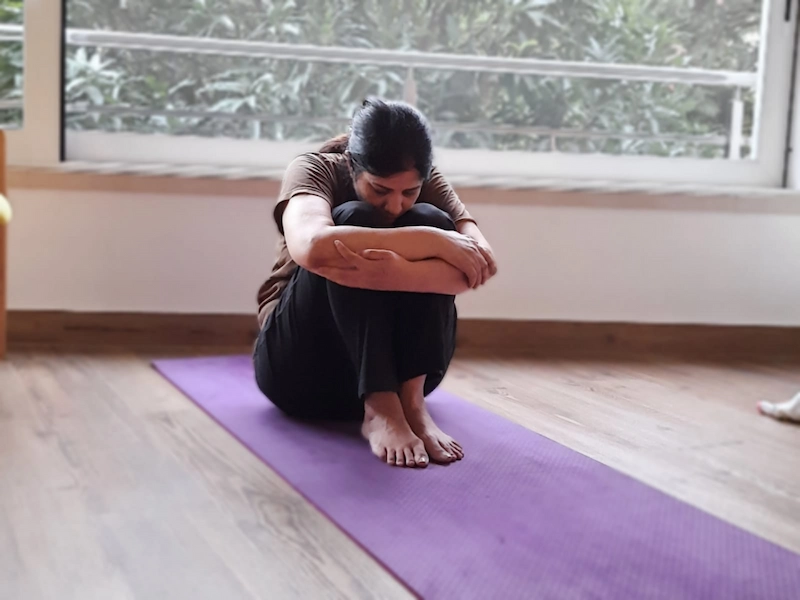
- Child's Pose (Balasana)
- Cat-Cow Stretch (Marjaryasana-Bitilasana)
- Downward Facing Dog (Adho Mukha Svanasana)
- Cobra Pose (Bhujangasana)
- Tree Pose (Vrikshasana)
- Seated Forward Bend (Paschimottanasana)
- Corpse Pose (Shavasana)
These foundational poses help improve flexibility, balance, posture, and body awareness while introducing beginners to proper movement and breathing.
Start Simple
Mastering a few basic yoga postures with correct alignment is far more beneficial than attempting advanced poses before your body is ready.
Common Mistakes Beginners Should Avoid
Almost every yoga practitioner makes mistakes in the beginning. Being aware of them can help you develop a safer and more enjoyable practice.
Comparing Yourself with Others
Every body is unique.
Some people naturally have greater flexibility or strength, while others progress more gradually.
Focus on your own journey rather than comparing your practice with others.
Holding Your Breath
Many beginners unknowingly hold their breath while attempting challenging poses.
Instead, maintain slow and steady breathing throughout your practice.
Pushing Beyond Your Limits
Yoga should never involve sharp pain.
Stretch gently and respect your body's current ability.
Progress happens naturally through regular practice.
Skipping Warm-up
Preparing the body before practising yoga improves mobility and reduces the risk of unnecessary strain.
A few minutes of gentle movement before beginning can make a significant difference.
Inconsistent Practice
Practising once every few weeks rarely produces noticeable improvements.
Even 20 to 30 minutes of yoga several times a week can lead to meaningful progress.
Pros
- Practise consistently.
- Focus on proper breathing.
- Learn correct alignment.
- Progress gradually.
- Listen to your body.
- Enjoy the learning process.
Cons
- Comparing yourself with others.
- Holding your breath.
- Skipping warm-up.
- Forcing difficult poses.
- Expecting immediate results.
- Practising inconsistently.
How Often Should Beginners Practise Yoga?
Many beginners wonder how frequently they should practise.
The answer depends on your schedule, goals, and fitness level, but consistency is more important than duration.
A practical beginner routine could be:
- 20 to 30 minutes per session.
- Three to five days each week.
- One or two rest days for recovery.
- Gradually increase duration as your confidence improves.
As your practice becomes a habit, you may naturally choose to practise more often.
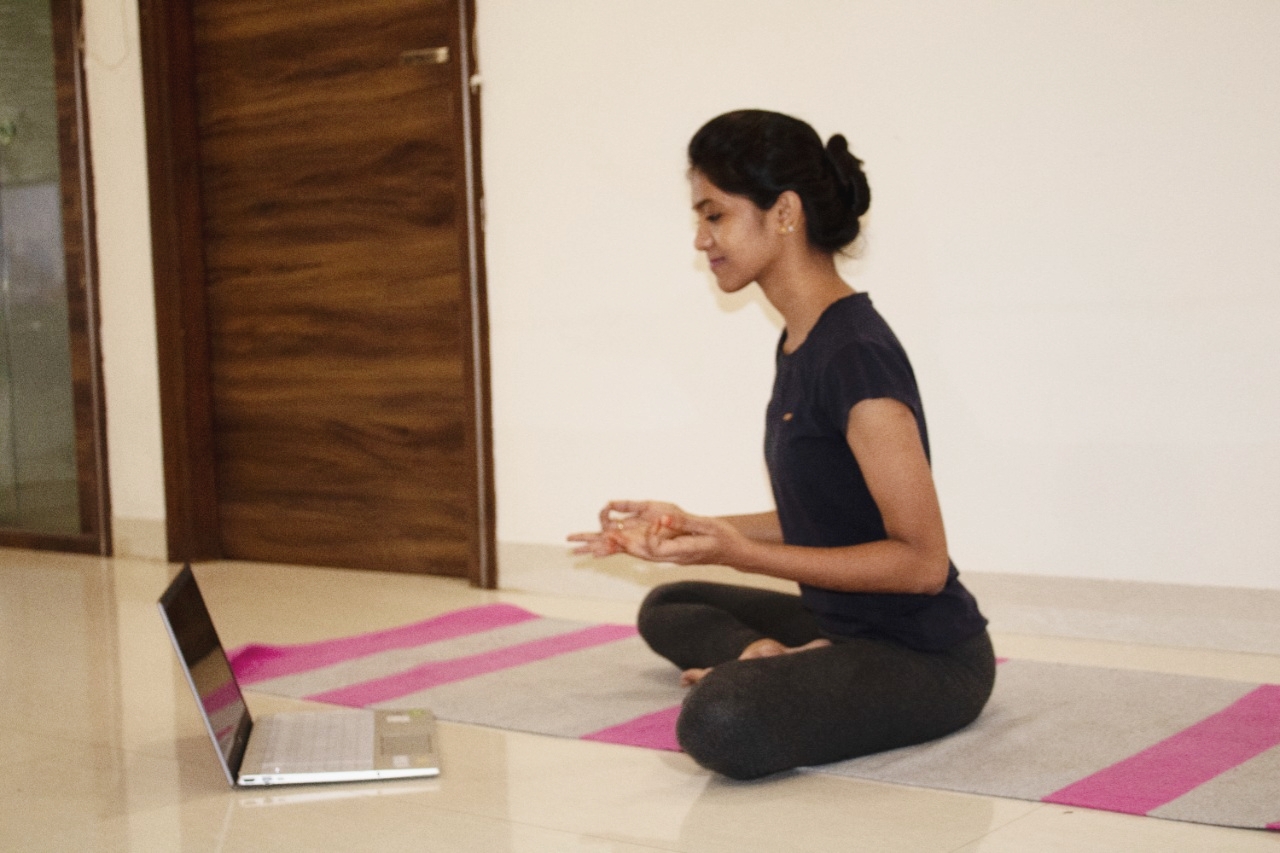
Should You Learn Online or In Person?
Both online and in-person yoga classes have their advantages.
Online Yoga is ideal if you:
- Prefer practising at home.
- Have a busy schedule.
- Need flexible class timings.
- Live far from a yoga studio.
In-person classes may be preferable if you:
- Want hands-on guidance.
- Prefer practising in a group.
- Need frequent posture corrections.
- Enjoy face-to-face interaction.
The best option depends on your lifestyle, learning preferences, and access to qualified instructors.
Whichever format you choose, learning from a qualified instructor helps build correct habits from the very beginning and reduces the risk of developing poor technique.
Why Learn Yoga with Yoganta?
At Yoganta, we believe every beginner deserves a supportive and enjoyable introduction to yoga.
Our beginner-friendly classes focus on building strong foundations through proper alignment, controlled breathing, gradual progression, and personalised guidance.
Whether you choose Online Yoga, Home Yoga, or personal sessions, our experienced instructors help you develop confidence while making yoga an enjoyable part of your daily routine.
Our beginner programs are designed to help you:
- Build flexibility safely.
- Improve strength gradually.
- Reduce stress.
- Develop healthy habits.
- Gain confidence.
- Enjoy long-term wellness.
Frequently Asked Questions
Can beginners really do yoga?
Absolutely. Yoga is suitable for people of all ages and fitness levels. Beginners can start with simple postures and gradually progress as strength, flexibility, and confidence improve.
Do I need to be flexible before starting yoga?
No. Flexibility is one of the results of regular yoga practice, not a requirement. Anyone can begin yoga regardless of their current flexibility.
How often should beginners practise yoga?
Practising three to five times each week for 20 to 30 minutes is a good starting point. Consistency is more important than practising for long hours occasionally.
What should I wear for yoga?
Wear comfortable clothing that allows you to move freely. Avoid clothing that restricts movement or becomes uncomfortable during stretching.
Can I learn yoga online?
Yes. Online Yoga classes are an excellent option when taught by qualified instructors. Live classes also provide opportunities for guidance and posture correction.
How long does it take to see results from yoga?
Many beginners notice improvements in flexibility, posture, relaxation, and overall wellbeing within a few weeks of practising consistently.
Final Thoughts
Beginning your yoga journey is one of the best investments you can make for your physical health, mental wellbeing, and overall quality of life. You don't need prior experience, exceptional flexibility, or expensive equipment to get started. All you need is the willingness to learn and the commitment to practise regularly.
Remember that yoga is not about achieving perfect postures. It is about building awareness, improving movement, developing healthy habits, and creating a stronger connection between the body and mind.
Start slowly, learn from qualified instructors, stay consistent, and enjoy the process. Every practice session, no matter how short, contributes to long-term progress.
The most successful yoga practitioners are not those who progress the fastest, but those who continue showing up with patience, consistency, and an open mind.
Start Your Yoga Journey with Yoganta
Join Yoganta's beginner-friendly Online Yoga and Personal Yoga classes to learn safely under experienced instructors and build a strong foundation for lifelong wellness.
Explore Beginner Yoga Classes