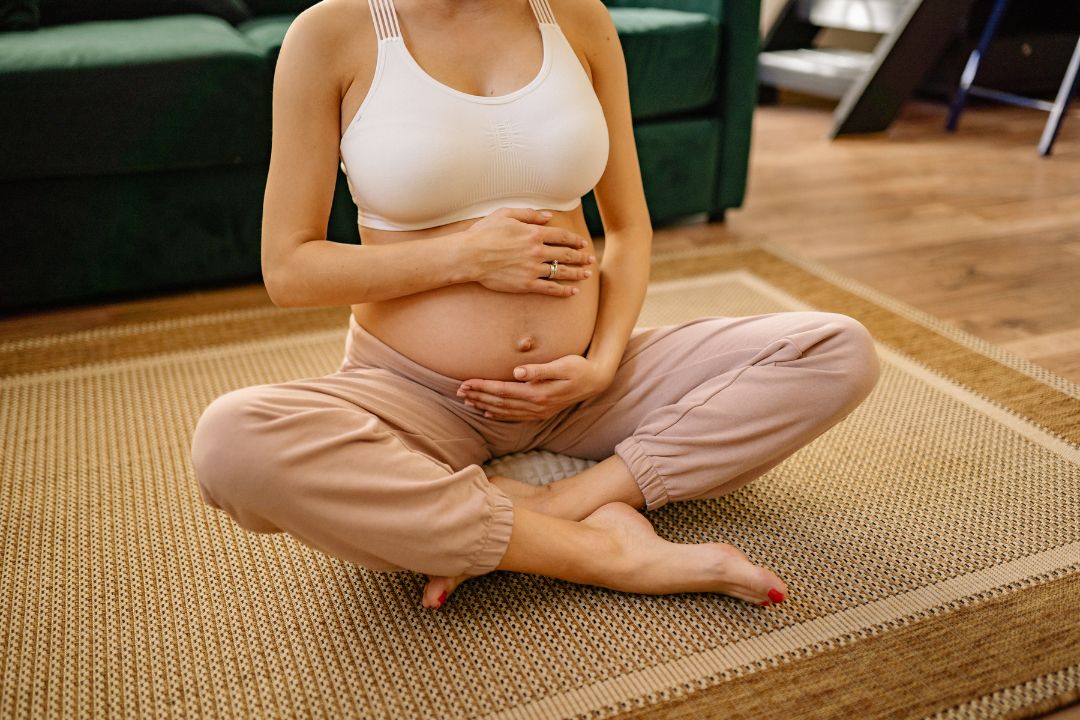
Pregnancy is one of the most exciting and transformative phases of life. As the body changes to support the growing baby, many expecting mothers experience physical, emotional, and mental changes that require extra care and attention. Maintaining an active lifestyle during pregnancy can contribute to overall wellbeing, and Prenatal Yoga has become one of the most recommended forms of gentle exercise for many healthy pregnancies.
Prenatal Yoga is specially designed to meet the changing needs of pregnant women. Unlike regular yoga classes, it focuses on safe movements, gentle stretching, breathing techniques, relaxation, and mindfulness while considering the unique physical changes that occur during each stage of pregnancy.
Beyond improving flexibility and strength, Prenatal Yoga helps many mothers feel more relaxed, develop better breathing awareness, improve posture, and prepare both body and mind for childbirth.
Whether you are in your first pregnancy or have experienced pregnancy before, practising Prenatal Yoga under qualified guidance can become a valuable part of your prenatal wellness routine.
Prenatal Yoga should always be practised under the guidance of qualified instructors and with approval from your healthcare provider, especially if you have a high-risk pregnancy or any medical complications.
What Is Prenatal Yoga?
Prenatal Yoga is a specialised form of yoga developed specifically for pregnant women.
The practice combines:
- Gentle yoga postures
- Controlled breathing techniques
- Relaxation exercises
- Mindfulness
- Pelvic floor awareness
- Gentle stretching
- Preparation for labour
Unlike traditional yoga classes, Prenatal Yoga avoids movements and postures that may be uncomfortable or unsuitable during pregnancy.
The primary objective is to support the mother's physical comfort while encouraging emotional wellbeing and healthy movement throughout pregnancy.
Is Prenatal Yoga Safe?
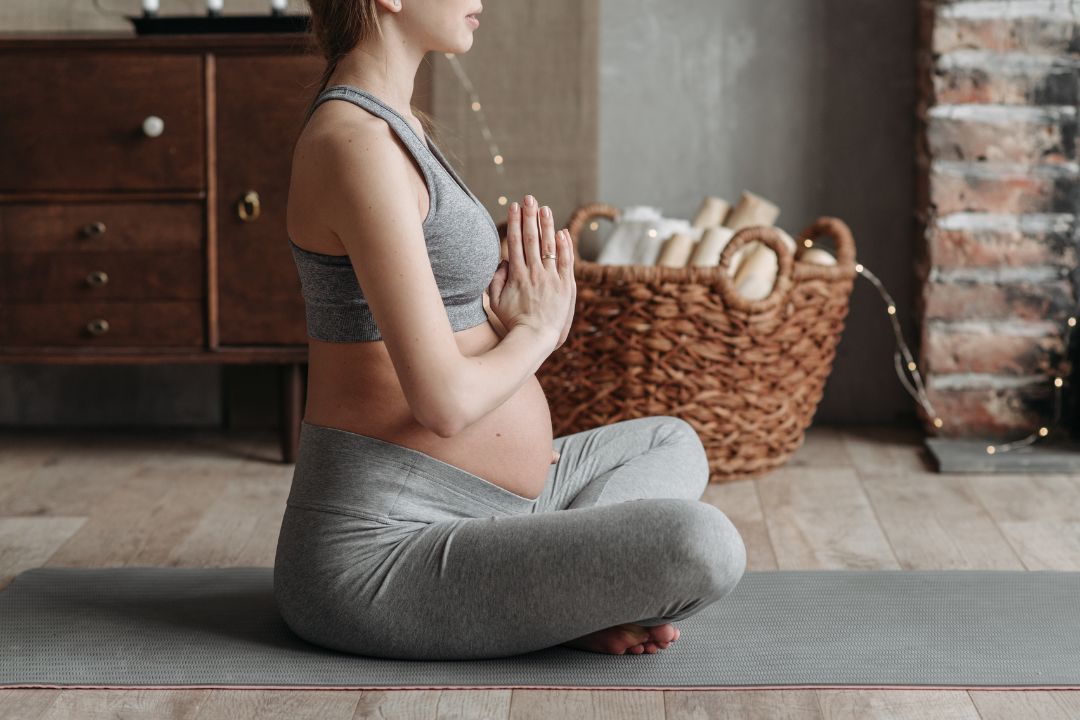
For most healthy pregnancies, Prenatal Yoga is generally considered safe when practised with appropriate modifications and professional guidance.
However, every pregnancy is unique.
Before beginning any exercise program, consult your obstetrician or healthcare provider to ensure that yoga is appropriate for your individual health condition.
Qualified Prenatal Yoga instructors also modify movements based on:
- Pregnancy stage
- Physical comfort
- Previous yoga experience
- Existing medical conditions
- Individual mobility
Always Prioritise Safety
Every pregnancy is different. A personalised approach helps ensure that yoga remains comfortable, safe, and beneficial throughout each trimester.
Benefits of Prenatal Yoga
Prenatal Yoga supports overall wellbeing rather than focusing only on physical exercise.
Improves Flexibility
Gentle stretching helps maintain mobility while reducing stiffness as the body changes during pregnancy.
Supports Better Posture
As pregnancy progresses, changes in body weight and posture may contribute to discomfort.
Prenatal Yoga strengthens supportive muscles while encouraging healthier alignment.
Encourages Relaxation
Mindful breathing and relaxation techniques help many expecting mothers feel calmer and better prepared to manage everyday stress.
Improves Breathing Awareness
Breathing exercises increase awareness of controlled breathing, which may also be helpful during labour and childbirth.
Builds Gentle Strength
Specially adapted yoga postures strengthen muscles that support the back, hips, and pelvis while avoiding unnecessary strain.
Supports Emotional Wellbeing
Pregnancy often brings emotional changes alongside physical changes.
Regular yoga practice encourages mindfulness, relaxation, and greater emotional balance.
Key Benefits
- Encourages healthy movement.
- Improves flexibility.
- Supports better posture.
- Promotes relaxation.
- Develops breathing awareness.
- Supports emotional wellbeing.
- Prepares the body for childbirth.
When Can You Start Prenatal Yoga?
Many women begin Prenatal Yoga after receiving approval from their healthcare provider.
The appropriate time depends on:
- Individual health
- Pregnancy progression
- Medical history
- Previous exercise experience
Rather than focusing on a specific week of pregnancy, it is always best to follow professional medical advice before beginning any exercise routine.
The safest Prenatal Yoga program is one that respects your body's changing needs while adapting movements to each stage of pregnancy.
Beginner-Friendly Prenatal Yoga Practices
Prenatal Yoga focuses on gentle, controlled movements that support comfort and mobility throughout pregnancy.
Some commonly practised beginner-friendly exercises include:
- Cat-Cow Stretch (modified)
- Butterfly Pose (Baddha Konasana)
- Seated Side Stretch
- Gentle Pelvic Tilts
- Child's Pose (with modifications)
- Supported Squat (when appropriate)
- Gentle Hip Openers
- Relaxation in a supported position
- Deep Breathing Exercises
These practices are intended to promote flexibility, improve posture, reduce muscle tension, and encourage relaxation without placing unnecessary strain on the body.
Every Pregnancy Is Unique
The suitability of specific yoga postures depends on your stage of pregnancy, overall health, and medical advice. Always practise under qualified guidance and avoid movements that cause discomfort.
Breathing Techniques During Pregnancy
One of the most valuable aspects of Prenatal Yoga is learning mindful breathing.
Controlled breathing may help expecting mothers:
- Feel calmer during daily activities.
- Improve relaxation.
- Increase body awareness.
- Reduce feelings of stress.
- Prepare mentally for labour.
- Develop better breathing habits.
Rather than focusing on complex breathing exercises, Prenatal Yoga encourages slow, natural, and comfortable breathing patterns that support overall wellbeing.
Safety Tips for Prenatal Yoga
Safety should always remain the highest priority during pregnancy.
Keep these recommendations in mind:
- Obtain approval from your healthcare provider before starting.
- Learn from certified Prenatal Yoga instructors.
- Stay hydrated.
- Avoid overheating.
- Move slowly and mindfully.
- Avoid painful or uncomfortable positions.
- Use props when additional support is needed.
- Stop immediately if you feel unwell.
Listening to your body is one of the most important principles of Prenatal Yoga.
If you experience dizziness, severe pain, vaginal bleeding, contractions, fluid leakage, or any unusual symptoms during exercise, stop immediately and seek medical advice.
When Should Prenatal Yoga Be Avoided?
Although Prenatal Yoga is suitable for many healthy pregnancies, there are situations where exercise may not be appropriate.
Always follow your healthcare provider's recommendations, particularly if you have:
- A high-risk pregnancy.
- Placental complications.
- Significant bleeding.
- Certain heart or lung conditions.
- Severe pregnancy-related complications.
- Medical advice to limit physical activity.
Professional guidance helps ensure that yoga remains both safe and beneficial.
Why Choose Yoganta for Prenatal Yoga?
At Yoganta, we understand that every pregnancy is unique.
Our Prenatal Yoga sessions are designed to provide expecting mothers with safe, personalised guidance while promoting physical comfort, emotional wellbeing, and healthy movement throughout pregnancy.
Our experienced instructors focus on:
- Gentle Hatha Yoga
- Safe pregnancy modifications
- Breathing awareness
- Relaxation techniques
- Improved posture
- Mindful movement
- Individual attention
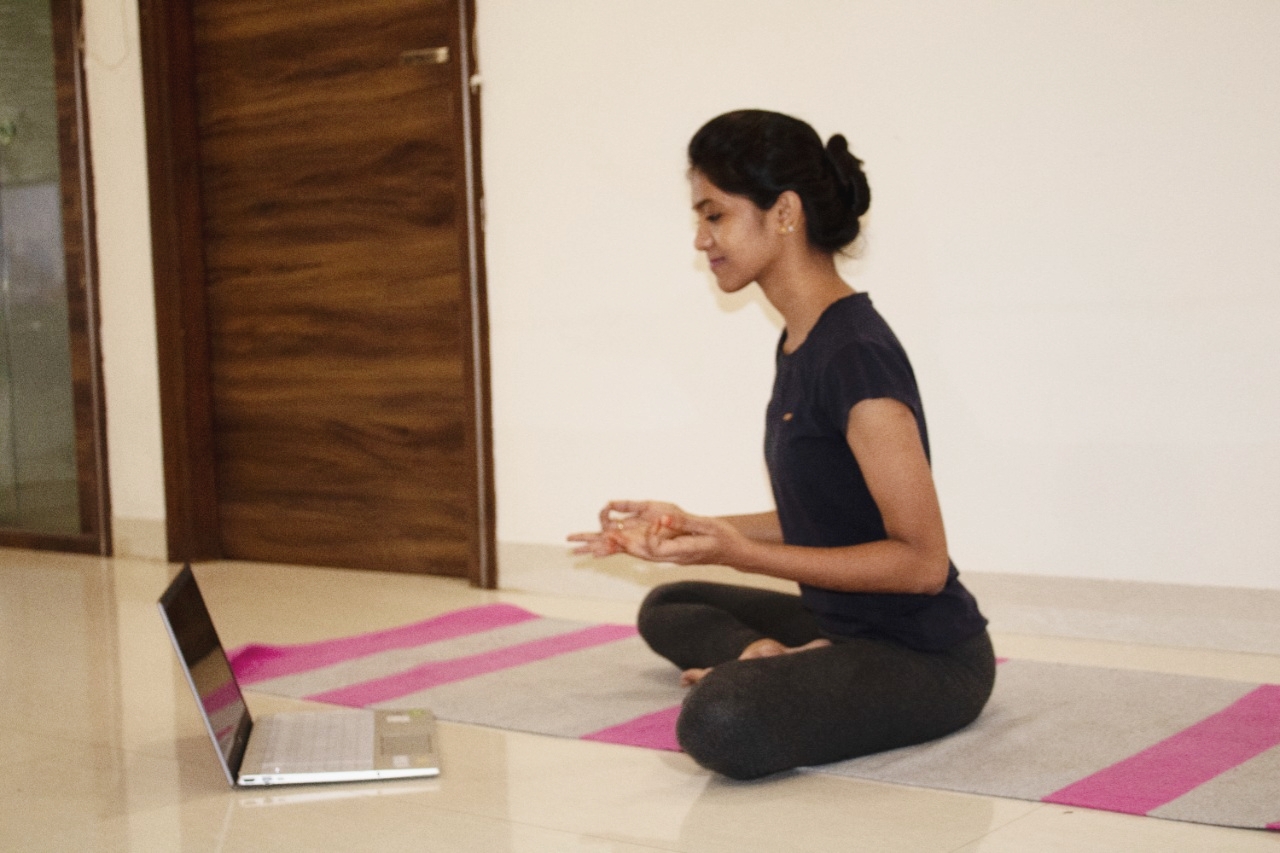
Whether you choose Online Yoga, Home Yoga Classes, or personalised one-to-one sessions, our goal is to help you enjoy a healthy and comfortable pregnancy through safe yoga practices.
Key Benefits
- Gentle pregnancy-friendly sessions.
- Qualified instructors.
- Personalised guidance.
- Focus on safety.
- Relaxation and stress management.
- Support throughout pregnancy.
Frequently Asked Questions
Is Prenatal Yoga safe during pregnancy?
For most healthy pregnancies, Prenatal Yoga is generally considered safe when practised under qualified supervision and with approval from your healthcare provider.
When should I start Prenatal Yoga?
The appropriate time varies depending on your health and pregnancy. Always consult your healthcare provider before beginning any Prenatal Yoga program.
Can beginners join Prenatal Yoga classes?
Yes. Prenatal Yoga is suitable for beginners because classes are specifically designed for pregnant women and focus on gentle movement, breathing, and relaxation.
Does Prenatal Yoga prepare you for labour?
Prenatal Yoga helps develop breathing awareness, relaxation techniques, posture, and gentle strength, which many women find beneficial while preparing for childbirth.
How often should I practise Prenatal Yoga?
Many expecting mothers benefit from practising two to four sessions per week, depending on their health, comfort level, and their healthcare provider's recommendations.
Can Prenatal Yoga replace medical care during pregnancy?
No. Prenatal Yoga is a complementary wellness practice that supports overall health and wellbeing. It should never replace regular prenatal medical care or professional healthcare advice.
Final Thoughts
Prenatal Yoga offers expecting mothers a safe and supportive way to remain active throughout pregnancy while promoting relaxation, healthy movement, improved posture, and emotional wellbeing. When practised under qualified guidance and combined with regular prenatal medical care, it can become an enjoyable part of a healthy pregnancy.
Remember that every pregnancy is different. Progress should never be measured by the difficulty of postures but by how comfortable, confident, and supported you feel throughout your journey.
Approach each session with patience, listen to your body, and celebrate the remarkable changes taking place as you prepare to welcome your baby.
A healthy pregnancy is built on proper medical care, balanced nutrition, adequate rest, and mindful movement. Prenatal Yoga complements these foundations by helping you care for both body and mind during this special journey.
Experience Safe Prenatal Yoga with Yoganta
Join Yoganta's Prenatal Yoga sessions and receive personalised guidance from experienced instructors who prioritise your comfort, safety, and wellbeing throughout pregnancy.
Explore Prenatal Yoga Classes