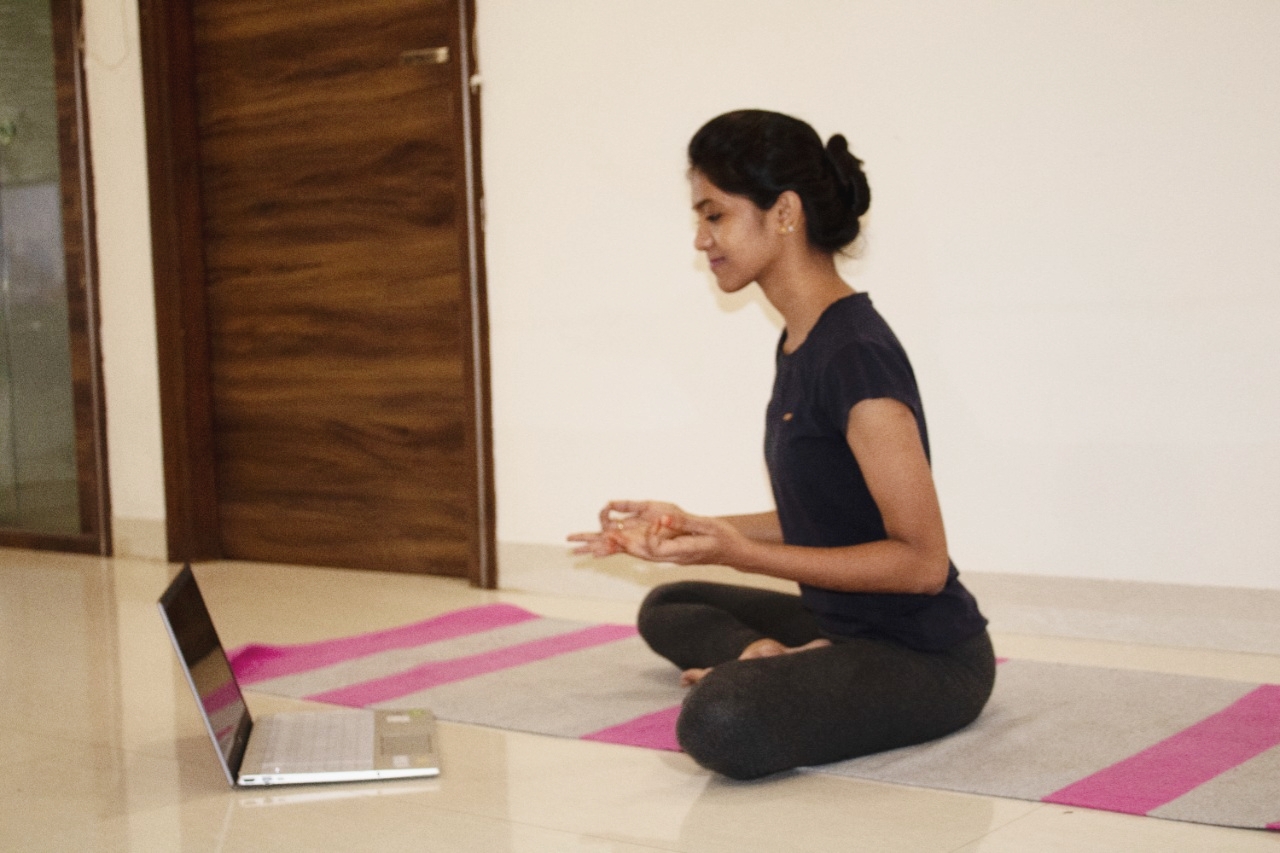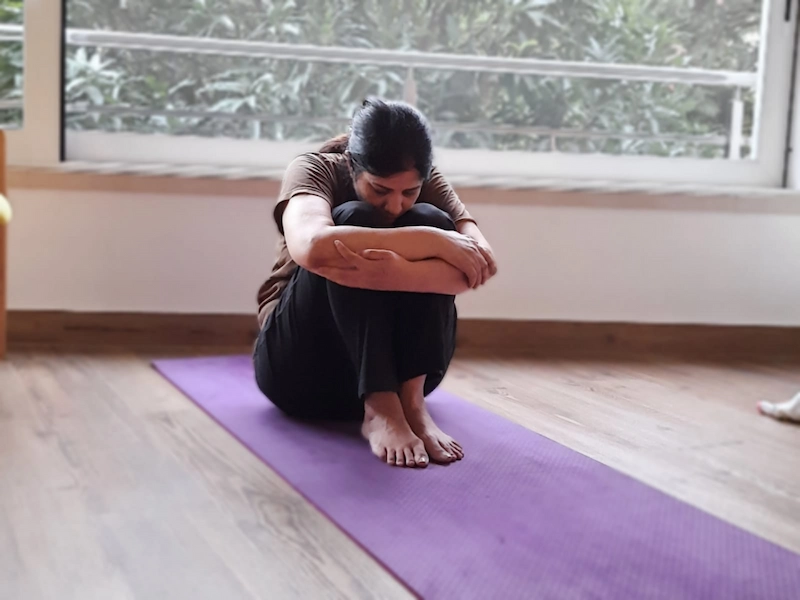

For many individuals and couples, the journey toward parenthood is exciting, emotional, and sometimes challenging. While medical care plays an essential role in diagnosing and treating fertility concerns, many people also explore complementary wellness practices that support their overall health during this journey. Yoga is one such practice that has gained growing attention.
Rather than being a treatment for infertility, yoga supports physical and emotional wellbeing through gentle movement, mindful breathing, relaxation, and stress management. These benefits can contribute to a healthier lifestyle, which is an important part of overall reproductive health.
Research has shown that chronic stress may influence hormonal balance, sleep quality, emotional wellbeing, and other lifestyle factors that are associated with reproductive health. By encouraging relaxation and helping people manage daily stress more effectively, yoga may become a valuable complement to medical advice and healthy living.
Whether you are planning to start a family, undergoing fertility treatment, or simply looking to improve your overall wellbeing, yoga offers a gentle and accessible way to support both body and mind.
Yoga should be viewed as a supportive wellness practice and not as a replacement for professional medical evaluation or fertility treatment. Always consult your healthcare provider regarding fertility concerns.
Understanding Fertility and Reproductive Health
Fertility is influenced by many factors, including age, overall health, nutrition, physical activity, sleep, stress levels, hormonal balance, and underlying medical conditions.
For both men and women, maintaining good overall health supports reproductive wellbeing.
Some common lifestyle factors that influence fertility include:
- Stress management
- Healthy body weight
- Regular physical activity
- Balanced nutrition
- Adequate sleep
- Avoiding tobacco and excessive alcohol
- Managing chronic health conditions
Because many of these factors are connected to overall wellness, practices such as yoga can play a supportive role within a healthy lifestyle.

Can Yoga Support Fertility?
Yoga cannot guarantee pregnancy or treat infertility.
However, it may support reproductive health by improving several aspects of physical and emotional wellbeing that are important during the fertility journey.
Many healthcare professionals encourage stress reduction, moderate physical activity, quality sleep, and healthy lifestyle habits alongside appropriate medical care.
Yoga naturally combines these elements into one holistic practice.
A Holistic Approach
Yoga works best as part of a healthy lifestyle that includes balanced nutrition, regular medical care, adequate sleep, stress management, and appropriate physical activity.
Benefits of Yoga for Fertility
Helps Manage Stress
Trying to conceive can sometimes become emotionally overwhelming.
Yoga encourages relaxation through gentle movement, breathing exercises, and mindfulness practices that help calm the nervous system.
Lower stress levels may contribute to better emotional wellbeing throughout the fertility journey.
Encourages Mindful Breathing
Breathing exercises help regulate the body's stress response while promoting relaxation and mental clarity.
Many practitioners report feeling calmer and more emotionally balanced after regular yoga practice.
Supports Healthy Circulation
Gentle yoga movements encourage healthy circulation throughout the body while improving mobility and posture.
Although yoga should not be viewed as a medical treatment, maintaining an active lifestyle supports overall physical wellbeing.
Promotes Better Sleep
Quality sleep plays an important role in overall health.
Regular yoga practice may help individuals relax before bedtime, contributing to improved sleep quality and recovery.
Encourages Healthy Lifestyle Habits
People who practise yoga often become more aware of other aspects of their wellbeing, including nutrition, hydration, stress management, and self-care.
These healthy habits contribute positively to overall reproductive health.
Key Benefits
- Helps reduce stress.
- Encourages relaxation.
- Supports healthy sleep.
- Improves body awareness.
- Promotes mindful breathing.
- Encourages healthy lifestyle habits.
- Supports overall wellbeing.
Best Yoga Practices for Fertility Support
Yoga for fertility focuses on gentle movement, mindful breathing, relaxation, and reducing physical and emotional tension. The objective is to support overall wellbeing rather than perform physically demanding postures.
Some beginner-friendly practices include:
- Gentle Hatha Yoga
- Cat-Cow Stretch (Marjaryasana-Bitilasana)
- Butterfly Pose (Baddha Konasana)
- Child's Pose (Balasana)
- Legs-Up-the-Wall Pose (Viparita Karani)
- Supported Bridge Pose (Setu Bandhasana)
- Relaxation in Shavasana
- Guided Meditation
- Deep Breathing Exercises
These practices are generally chosen because they encourage relaxation, improve flexibility, and promote gentle movement.
Choose Gentle Practices
When practising yoga for fertility, comfort and relaxation should always take priority over intensity. Avoid forcing your body into advanced postures or physically exhausting workouts.
Lifestyle Habits That Complement Yoga
Yoga works best when combined with healthy daily habits.
Supporting reproductive health often involves improving overall wellbeing through consistent lifestyle choices.
Consider incorporating:
- Balanced nutrition
- Regular physical activity
- Quality sleep
- Proper hydration
- Stress management
- Mindfulness practices
- Limiting tobacco and alcohol
- Regular health check-ups
Small lifestyle improvements maintained consistently often have a greater long-term impact than occasional major changes.
Safety Tips Before Practising Yoga
Yoga is generally considered safe for most healthy individuals. However, certain precautions are important, especially if you are undergoing fertility treatment or have existing medical conditions.
Keep these guidelines in mind:
- Learn from qualified instructors.
- Inform your instructor about your health condition.
- Avoid overexertion.
- Stay hydrated.
- Practise within your comfort level.
- Stop immediately if you experience pain or discomfort.
If you are undergoing assisted reproductive treatments or have been advised to restrict physical activity, always follow your healthcare provider's recommendations.
If you have been diagnosed with infertility, are receiving fertility treatment, or have experienced pregnancy complications, consult your healthcare provider before beginning any new exercise or yoga program.
Who Can Benefit from Yoga for Fertility?
Yoga may be beneficial for:
- Women planning pregnancy.
- Couples preparing for conception.
- Individuals managing daily stress.
- People seeking healthier lifestyle habits.
- Those looking to improve flexibility and overall wellbeing.
- Individuals wanting a mindful approach to wellness.
Although yoga is often associated with women's reproductive health, men can also benefit from its positive effects on stress management, physical fitness, and emotional wellbeing.
Key Benefits
- Supports emotional wellbeing.
- Encourages stress reduction.
- Promotes healthy movement.
- Improves flexibility.
- Enhances mindfulness.
- Complements a healthy lifestyle.
Why Choose Yoganta?
At Yoganta, we believe every wellness journey deserves personalised care and professional guidance.
Our yoga programs are designed to support overall physical and mental wellbeing through safe movement, mindful breathing, relaxation, and lifestyle awareness.
Whether you are beginning your fertility journey, preparing for pregnancy, or simply looking to improve your overall health, our experienced instructors provide supportive guidance tailored to your individual needs and comfort level.
We focus on:
- Gentle Hatha Yoga
- Breath awareness
- Relaxation techniques
- Stress management
- Mindful movement
- Personalised guidance
Every fertility journey is unique. Yoga supports overall wellbeing by helping you build healthier habits, manage stress, and care for both body and mind throughout the process.
Frequently Asked Questions
Can yoga improve fertility?
Yoga may support overall reproductive health by helping reduce stress, encouraging relaxation, promoting healthy movement, and supporting overall wellbeing. However, it should not be considered a treatment for infertility or a substitute for medical care.
Is yoga safe while trying to conceive?
For most healthy individuals, gentle yoga is generally considered safe. If you have specific medical conditions or are undergoing fertility treatment, consult your healthcare provider before starting any new exercise program.
Which type of yoga is best for fertility?
Gentle Hatha Yoga, restorative yoga, breathing exercises, meditation, and relaxation-focused practices are commonly recommended because they emphasise stress reduction and mindful movement.
Can men practise yoga for fertility?
Yes. Yoga can benefit both men and women by supporting overall health, reducing stress, improving flexibility, and encouraging healthy lifestyle habits that contribute to reproductive wellbeing.
How often should I practise yoga for fertility support?
Many people benefit from practising gentle yoga three to five times per week. Consistency is generally more beneficial than long or intense sessions.
Should yoga replace fertility treatment?
No. Yoga should be viewed as a complementary wellness practice that supports overall health alongside appropriate medical evaluation and treatment when necessary.
Final Thoughts
Yoga offers a gentle and holistic approach to supporting overall reproductive health by encouraging relaxation, mindful breathing, healthy movement, and improved emotional wellbeing. While it is not a treatment for infertility, it can become a valuable part of a balanced lifestyle that supports both physical and mental health.
The fertility journey is different for every individual and every couple. Combining appropriate medical guidance with healthy lifestyle choices, stress management, regular physical activity, and yoga may help create a supportive environment for overall wellbeing.
Approach your practice with patience, consistency, and realistic expectations. The goal is not perfection but creating healthy habits that benefit your body and mind for years to come.
Yoga supports your overall wellbeing, helping you navigate your fertility journey with greater calm, awareness, and confidence while complementing professional medical care.
Support Your Wellness Journey with Yoganta
Discover personalised yoga sessions designed to reduce stress, improve wellbeing, and support a healthy lifestyle through safe and mindful yoga practices.
Explore Personal Yoga Sessions