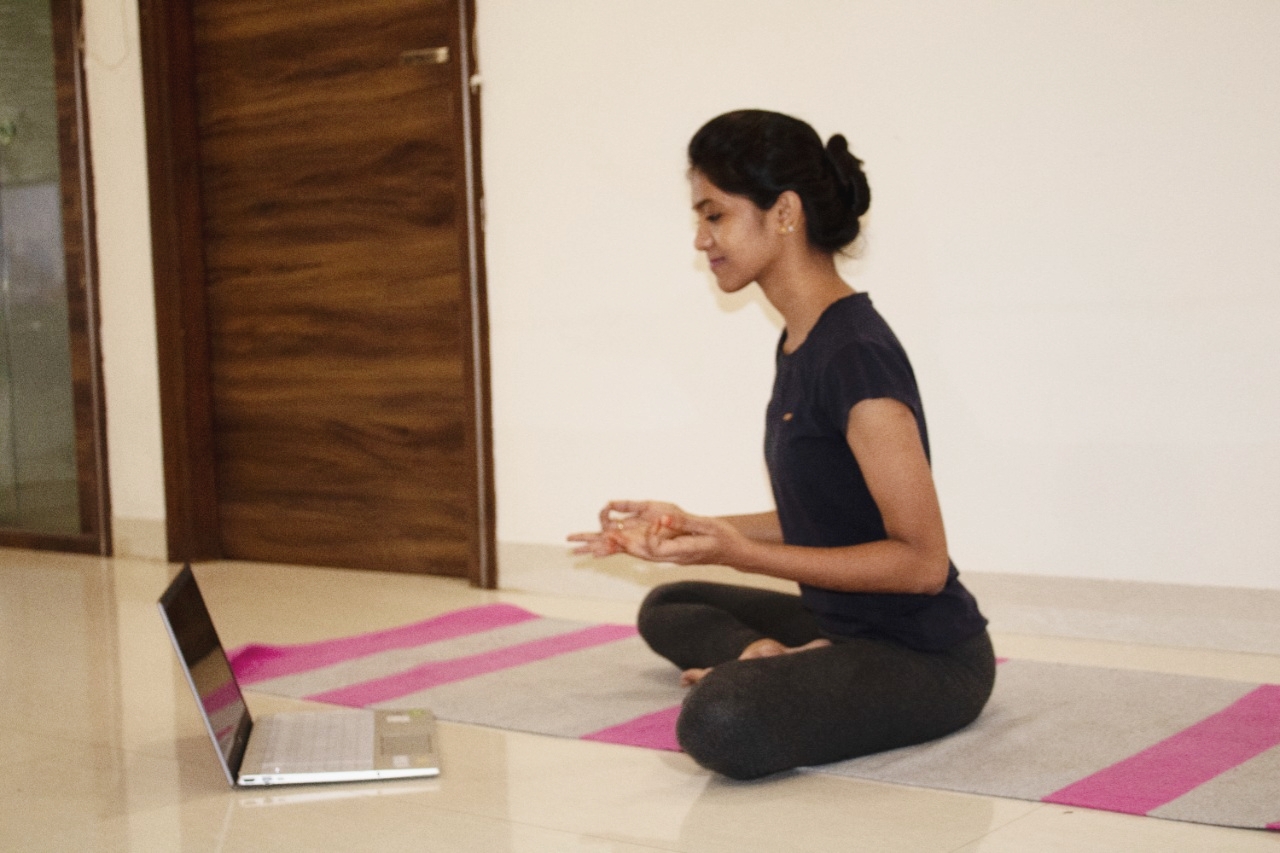
Growing older does not mean giving up an active and healthy lifestyle. In fact, regular physical activity becomes even more important as we age. Among the many forms of exercise available today, yoga stands out as one of the safest and most effective practices for senior citizens because it combines gentle movement, breathing techniques, relaxation, and mindfulness.
Unlike high-impact workouts, yoga can be adapted to suit different fitness levels, mobility limitations, and health conditions. Whether someone is completely new to exercise or has been physically active throughout life, yoga offers a flexible approach that supports healthy ageing without placing excessive stress on the body.
For many seniors, yoga helps improve flexibility, balance, posture, muscle strength, joint mobility, and confidence while also reducing stress and promoting emotional wellbeing. With proper guidance, even simple yoga practices can make everyday activities easier and more comfortable.
In this guide, you'll learn why yoga is beneficial for senior citizens, how to practise safely, and practical tips for beginning a lifelong yoga journey.
Yoga for senior citizens is not about difficult postures or extreme flexibility. It focuses on gentle movement, controlled breathing, improved mobility, and maintaining independence through safe and consistent practice.
Why Yoga Is Ideal for Senior Citizens
As we age, the body naturally experiences changes in strength, flexibility, balance, and mobility. Everyday tasks such as walking, climbing stairs, bending, or reaching overhead may gradually become more challenging.
Yoga addresses many of these changes by combining slow, controlled movements with mindful breathing and relaxation.
Unlike many traditional workouts, yoga can be modified to suit individual needs, making it accessible for seniors with different levels of mobility and experience.
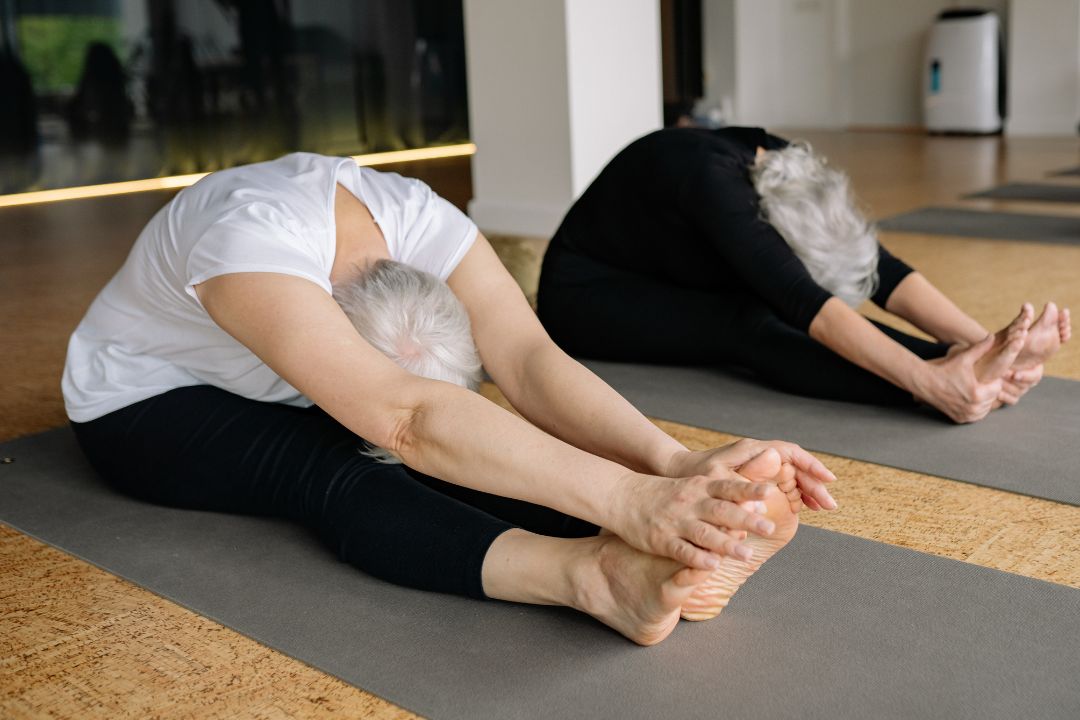
Benefits of Yoga for Senior Citizens
Regular yoga practice offers numerous physical, mental, and emotional benefits that contribute to a healthier and more active lifestyle.
Improves Flexibility
Gentle stretching helps reduce muscle stiffness while improving joint mobility.
Better flexibility makes daily activities such as dressing, reaching, bending, and walking more comfortable.
Enhances Balance
Balance naturally declines with age, increasing the risk of falls.
Yoga includes exercises that strengthen stabilising muscles while improving coordination and body awareness.
Builds Strength
Many yoga postures gently strengthen the muscles that support the spine, hips, knees, and shoulders.
Improved strength contributes to better posture, easier movement, and greater independence.
Supports Joint Mobility
Controlled movements encourage healthy joint function without placing excessive pressure on the body.
Many seniors experience improved comfort and ease of movement through regular practice.
Reduces Stress
Yoga combines movement with breathing and relaxation techniques that help calm the nervous system.
Many practitioners report feeling more relaxed, mentally clear, and emotionally balanced after each session.
Encourages Better Breathing
Breathing exercises improve awareness of the breath while encouraging slower, deeper breathing patterns that support relaxation and overall wellbeing.
Key Benefits
- Improves flexibility.
- Enhances balance.
- Builds gentle strength.
- Supports joint mobility.
- Encourages better posture.
- Reduces stress.
- Promotes healthy ageing.
Is Yoga Safe for Older Adults?
Yes. Yoga is generally considered safe for older adults when practised under qualified supervision and adapted to individual abilities.
Professional instructors modify postures based on each person's mobility, medical history, and comfort level.
Some seniors may benefit from:
- Chair Yoga
- Gentle Hatha Yoga
- Restorative Yoga
- Breathing exercises
- Guided relaxation
- Balance-focused movements
The goal is to improve movement quality rather than perform advanced postures.
Every Senior Is Different
A personalised approach is important. Yoga sessions should always respect individual health conditions, mobility levels, and medical advice while encouraging gradual and comfortable progress.
Getting Started Safely
Beginning yoga later in life can be an enjoyable and rewarding experience when approached gradually.
Before your first class:
- Wear comfortable clothing.
- Use a supportive yoga mat or chair if required.
- Stay hydrated.
- Inform your instructor about any medical conditions.
- Practise at your own pace.
- Never force painful movements.
The focus should always remain on comfort, breathing, and steady progress rather than achieving perfect postures.
Consistency is far more important than intensity. Even gentle yoga practised regularly can produce meaningful improvements in mobility, balance, confidence, and overall wellbeing.
Beginner-Friendly Yoga Practices for Senior Citizens
Yoga for senior citizens should always begin with simple, gentle movements that improve mobility and confidence.
Some beginner-friendly practices include:
- Neck and shoulder stretches
- Gentle seated twists
- Cat-Cow Stretch
- Mountain Pose (Tadasana)
- Chair Yoga exercises
- Tree Pose with support
- Standing side stretches
- Seated Forward Bend
- Relaxation in Shavasana
These movements help improve flexibility, posture, circulation, and body awareness while remaining comfortable for most seniors.
Chair Yoga Is a Great Option
Chair Yoga allows seniors with limited mobility or balance concerns to enjoy many of the benefits of yoga while remaining safely supported throughout the practice.
Common Mistakes to Avoid
Many seniors begin yoga with unrealistic expectations or unnecessary concerns.
Avoid these common mistakes:
Trying Advanced Postures Too Early
Yoga is not about performing difficult poses.
Simple movements practised consistently often provide the greatest long-term benefits.
Ignoring Medical Advice
If you have existing medical conditions, consult your healthcare professional before beginning any new exercise program.
Always inform your yoga instructor about surgeries, joint replacements, chronic pain, or other health concerns.
Comparing Yourself with Others
Every person's body ages differently.
Focus on your own progress rather than comparing your flexibility or balance with others.
Holding Your Breath
Many beginners unknowingly hold their breath during movement.
Gentle, steady breathing makes yoga safer, more comfortable, and more relaxing.
Practising Inconsistently
Practising occasionally produces limited results.
Even short sessions several times each week can significantly improve mobility and confidence over time.
Pros
- Practise regularly.
- Move gently.
- Breathe naturally.
- Listen to your body.
- Learn from qualified instructors.
- Progress gradually.
Cons
- Forcing difficult poses.
- Ignoring pain.
- Comparing yourself with others.
- Holding your breath.
- Skipping warm-up.
- Expecting immediate results.
How Often Should Senior Citizens Practise Yoga?
Most seniors benefit from practising yoga three to five days each week, depending on their health, mobility, and personal goals.
A balanced routine may include:
- Gentle stretching
- Balance exercises
- Breathing techniques
- Relaxation
- Short meditation sessions
Even practising for 20 to 30 minutes consistently can contribute to improved flexibility, better posture, and enhanced overall wellbeing.
Why Learn Yoga with Yoganta?
At Yoganta, we believe yoga should be accessible to everyone, regardless of age or experience.
Our senior-friendly yoga programs focus on safe movement, gentle stretching, breathing techniques, and personalised guidance that respects each participant's abilities.
Our experienced instructors help seniors:
- Improve mobility.
- Build confidence.
- Enhance balance.
- Reduce stiffness.
- Develop healthy breathing habits.
- Enjoy a better quality of life.
Whether through Online Yoga, Home Yoga Classes, or personalised sessions, our goal is to help senior citizens remain active, independent, and healthy.
Yoga should always leave you feeling refreshed rather than exhausted. Gentle progress, proper guidance, and regular practice are the keys to long-term success.
Frequently Asked Questions
Is yoga safe for senior citizens?
Yes. Yoga is generally safe for senior citizens when practised under the guidance of qualified instructors and adapted to individual health conditions, mobility levels, and physical abilities.
Can seniors start yoga without previous experience?
Absolutely. Many people begin yoga after the age of 60 or even later. Beginner-friendly classes focus on simple movements, breathing exercises, and gradual progression.
What type of yoga is best for older adults?
Gentle Hatha Yoga, Chair Yoga, Restorative Yoga, and beginner-focused yoga classes are among the most suitable options for senior citizens.
How often should senior citizens practise yoga?
Most seniors benefit from practising three to five times per week for 20 to 30 minutes, depending on their health and comfort level.
Can yoga help improve balance in older adults?
Yes. Many yoga postures strengthen stabilising muscles and improve body awareness, which can contribute to better balance and confidence during daily activities.
Do I need to be flexible before starting yoga?
No. Flexibility is not a requirement for yoga. Regular practice gradually improves mobility and flexibility over time.
Final Thoughts
Yoga is one of the most effective and accessible ways for senior citizens to maintain mobility, strength, balance, and emotional wellbeing. By combining gentle movement, mindful breathing, and relaxation, yoga supports healthy ageing while helping older adults remain active and independent.
The journey begins with simple steps. There is no need to achieve advanced postures or compare yourself with others. Practising consistently, respecting your body's limits, and learning from experienced instructors are the keys to enjoying the lifelong benefits of yoga.
Whether your goal is improving flexibility, reducing stiffness, enhancing balance, or simply feeling healthier each day, yoga offers a safe and rewarding path toward better physical and mental wellbeing.
Healthy ageing is about moving regularly, breathing mindfully, and caring for both body and mind. Yoga provides a gentle yet powerful way to support that journey at every stage of life.
Begin Your Yoga Journey at Any Age
Join Yoganta's senior-friendly yoga programs designed to improve mobility, balance, flexibility, and overall wellbeing through safe and personalised guidance.
Explore Yoga for Seniors